



Set Up a Free Consultation
FAQ
Frequently Asked Questions
Frequently Asked Questions for Homeowners Interested in a Tiny Home, Modular Home, Barndominium or ADU
When planning to build a tiny home, modular home, barndominium or ADU, several factors must be considered, including location, permits, timelines, costs, and zoning regulations, leading to numerous questions. These are some of the most common questions that RJ Jaramillo answers on a regular basis.
Schedule a Consultation
Housing Definitions
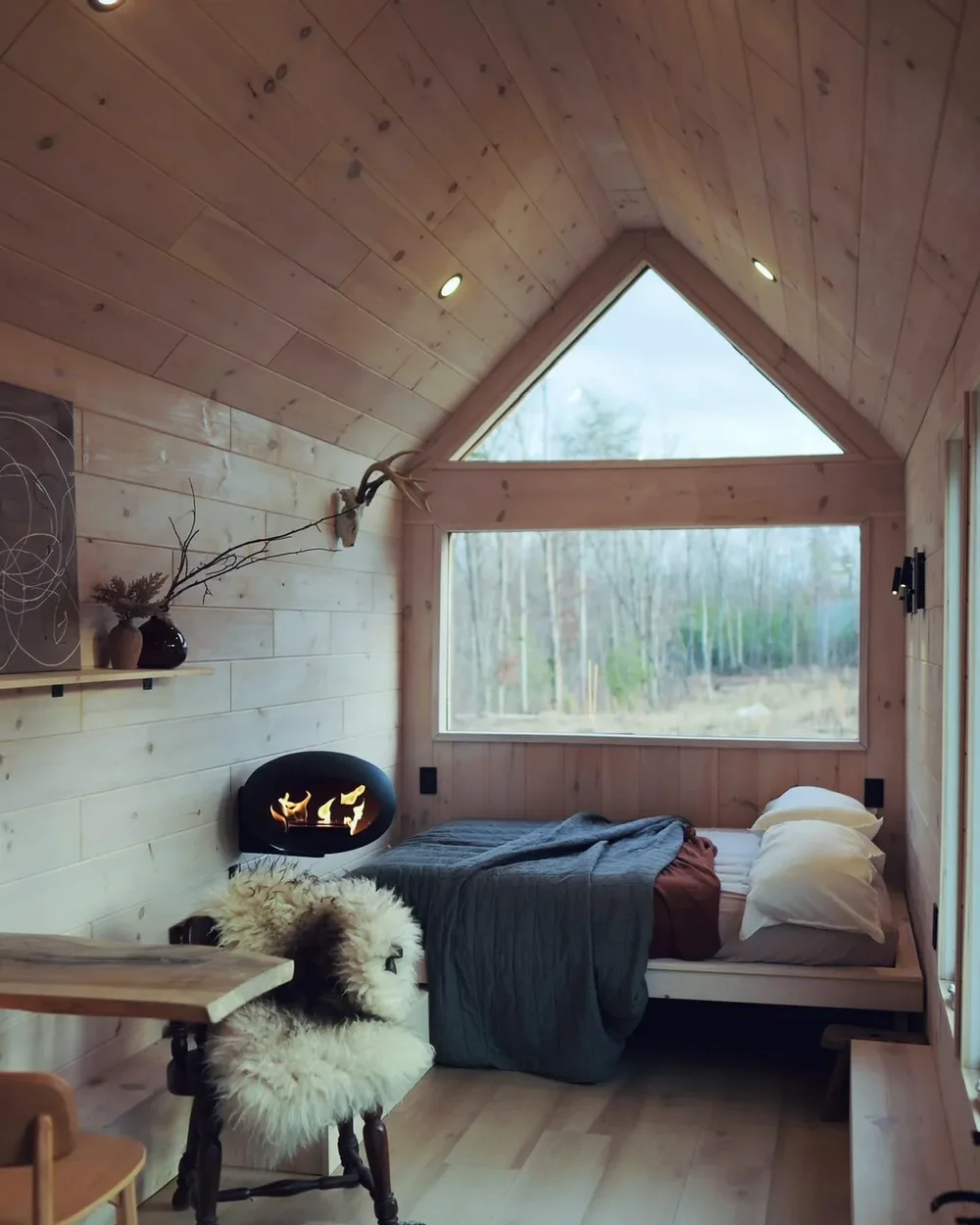
A tiny home is a smaller residential dwelling, typically under 600 square feet. Some are built on wheels while others are constructed on permanent foundations. Financing options depend largely on whether the home is classified as real property or personal property and whether it complies with local building codes.
An Accessory Dwelling Unit (ADU) is a secondary housing unit located on the same property as a primary residence. ADUs may be detached backyard homes, garage conversions, or attached additions and are commonly used for rental income, multigenerational living, or guest housing.
A barndominium is a residential home typically constructed using metal or post-frame building methods. Many include living space combined with garages, workshops, or storage areas. They are especially popular in rural and semi-rural locations due to flexibility and construction efficiency.
A modular home is built in sections in a factory and assembled on a permanent foundation at the home site. Modular homes generally follow local building codes and often qualify for traditional mortgage financing once construction is complete.
Many housing professionals view these structures as part of a broader flexible housing movement. While construction styles differ, financing decisions often depend on land ownership, foundation type, zoning compliance, and intended use rather than the housing label itself.
Financing Questions
Yes, many tiny homes can be financed depending on whether they sit on a permanent foundation and meet local zoning and building requirements. Financing may include construction loans, personal loans, RV loans, or specialized lending programs.
No. THOWs are legally classified as personal property, not real estate, so they don't qualify for a standard mortgage.
Banks require a home to be permanently attached to land to secure a mortgage lien. A THOW can be towed away, so it doesn't meet that bar. Buyers typically use one of these instead:
- Chattel loan: a personal-property loan secured by the home itself, usually with a 10–20% down payment and a faster close than a mortgage.
- RV financing: available if the home is RVIA-certified and has a VIN; terms can run 15–20 years through credit unions and RV lenders.
- Unsecured personal loan: no collateral required, but it demands strong credit (700+) and repays over a shorter 3–7 year window.
- Builder or dealer financing: some tiny home builders offer in-house financing designed around these same underwriting hurdles.
ADUs can often be financed through renovation loans, home equity financing, refinance programs, or construction-to-permanent loans. Eligibility depends on property value, local regulations, and how the unit will be used.
Homeowners typically tap their existing equity through a HELOC, a home equity loan, or a cash-out refinance to fund an ADU build.
This is often cheaper than a construction loan built specifically for alternative housing, since it's secured by a property with an established appraisal history. Options:
- HELOC: a revolving credit line where you only pay interest on what you draw as construction milestones are hit.
- Home equity loan: a fixed-rate lump sum, good if you have a locked-in, fixed-price contract with a builder.
- Cash-out refinance: replaces your existing mortgage with a larger one, letting you pull cash out at closing and consolidate into a single payment.
Yes. DSCR loans let some borrowers qualify using the ADU's projected rental income instead of personal income.
The lender orders an "as-completed" appraisal to estimate what the finished ADU will rent for, using a Fannie Mae Form 1007 rent schedule. If the projected rent covers the new debt at the required ratio, that income counts toward approval today. What lenders look at:
- A Target DSCR ratio, usually between 1.0 and 1.25. A 1.25 ratio means projected rent is 25% higher than the estimated monthly payment.
- Proposed lease documentation: signed letters of intent or draft leases can strengthen the application.
- Local rental comps: areas with clear ADU zoning tend to produce stronger, faster-approved rent estimates.
Modular homes commonly qualify for traditional mortgages after installation on a permanent foundation. Many borrowers use construction-to-permanent loans that convert into standard mortgages once construction is finished.
A construction-to-permanent loan combines construction financing and the final mortgage into a single transaction. Borrowers typically complete one approval process, pay one set of closing costs, and transition automatically into permanent financing after the home is built.
A One-Time Close (OTC) loan rolls land purchase, construction, and the permanent mortgage into a single closing, instead of three separate loans.
The interest rate is locked in before construction starts, and the lender releases funds to the builder in stages as milestones are met.
- Closing: all paperwork is signed up front, and funds are released to buy the land (if needed) and cover permits.
- Construction draw: the buyer makes interest-only payments on the amount actually drawn so far as the home is built.
- Conversion: once the home passes final inspection and gets a Certificate of Occupancy, the loan automatically converts into a standard fixed-rate mortgage.
Yes. Many construction loans allow borrowers to finance both land purchase and construction together. Existing land equity may also count toward down payment requirements.
In many cases, equity in owned land can be applied toward required borrower investment, reducing or eliminating additional cash needed at closing.
Traditional lenders often rely on standardized underwriting models designed for typical suburban homes. Alternative housing projects may require manual underwriting and lenders familiar with non-traditional construction.
Credit requirements vary by loan type and lender. Stronger credit profiles generally provide access to more financing options and favorable interest rates. Your score isn’t the only thing lenders look at, though. Our guide, Credit for a Tiny Home Loan: Three Active Accounts, and Unfreeze Before You Apply, explains the three-account rule and why your credit needs to be unfrozen before you apply.
Ideally before purchasing land, choosing a builder, or finalizing plans. Early financing guidance helps prevent costly changes later in the project.
Planning and Costs
Costs vary widely depending on location, site preparation, utilities, materials, and design complexity. Financing decisions typically focus on total project feasibility rather than square footage alone.
Timelines depend on loan type, documentation readiness, appraisal requirements, and permitting. Planning ahead and organizing project details early can help streamline approval.
Loan approval usually takes 3 to 5 business days, but most tiny homes are built to order, so your build doesn’t start until your builder writes your contract, and that typically takes a few months. Our guide, Approved in Days, Delivered in Months: The Tiny Home Build Timeline, walks through each step from application to delivery.
Modular homes commonly qualify for traditional mortgages after installation on a permanent foundation. Many borrowers use construction-to-permanent loans that convert into standard mortgages once construction is finished.
An appraisal gap occurs when construction cost exceeds appraised value. Proper planning, strong documentation, and realistic project budgeting help reduce this risk.
Common issues include purchasing land before confirming financing options, selecting builders unfamiliar with lender requirements, and assuming all tiny homes qualify for traditional mortgages.
Legal and Zoning Questions
Regulations vary by city and county. Some areas fully allow tiny homes while others require permanent foundations or restrict placement.
Most RV parks and resorts require RVIA certification before they'll let a tiny home on wheels in.
That's because RVIA certification is proof a third party has already verified the home's electrical, plumbing, and propane systems meet ANSI A119.5 and NFPA 1192, the same standards park operators are on the hook for if something goes wrong. Ways to get there:
- Buy from an RVIA member builder, so the certification is automatic.
- Hire a third-party inspector (such as Pacific West Tiny Homes or NOAH Certified) if you're building DIY or buying from a non-member builder.
- Make sure you get a Manufacturer's Statement of Origin (MSO) so the home can be registered with the DMV as a trailer or park model. This is extra proof of compliance for park operators.
Most jurisdictions require permits for ADUs. Requirements depend on zoning regulations, utilities, and property size.
Yes. Lenders generally require confirmation that the home complies with local zoning and building regulations before approving financing.
Many areas allow barndominiums as primary homes when they meet local building codes and residential zoning standards.
Use Cases and Lifestyle
Many homeowners build ADUs to create long-term rental income, house family members, or provide flexible living arrangements where permitted.
Tiny homes are frequently chosen by retirees seeking lower maintenance living, simplified lifestyles, and reduced housing costs.
Yes. Modular homes are designed for permanent residential use and often resemble traditional site-built homes.
Investment potential depends on location, zoning flexibility, construction quality, and local housing demand.
Working with USTinyLoans
USTinyLoans helps borrowers understand financing options for tiny homes, ADUs, barndominiums, modular homes, and other alternative housing projects.
USTinyLoans works with borrowers across the United States, helping navigate financing considerations that vary by state and local jurisdiction.
The best first step is a consultation to review your goals, property situation, and timeline so appropriate financing options can be identified early.
RJ Jaramillo is the your consultant for Tiny Homes, Modular Homes, Barndominiums, and ADU's.
Through RJ's years of knowledge as a lender, as well has his own personal experience as a tiny home owner, he has learned the in's and out's of manuvering through the world of "tiny loans."
RJ is here to help educate you - not in some stuffy boardroom or corporate webinar - he's here to educate YOU - one on one, through the resources here on this website along with personalized Zoom meetings to help you discover what the best plan would be for your personal dreams.
You may be thinking that's a tiny home, but it may be a barndominium instead. With RJ's help, you'll work together to explore the possibilities for the best plan with the best financing available.

Flexible Financing for Your Tiny Home, Modular Home, Barndominium or ADU Dream
Unlock your property's potential with our flexible tiny loan options. Apply now and turn your vision into a reality!