



Set Up a Free Consultation
Financing Complexity Explained
For many people, financing is the point where an alternative housing project starts to feel confusing. Tiny homes, ADUs, modular homes, and barndominiums do not fit into one simple lending category, and financing options can change based on land ownership, foundation type, structure classification, and local zoning rules.
Unlike a traditional home purchase, where the process is usually more standardized, alternative housing projects can take different paths depending on how the project is designed and where it will be built. That’s why two projects that seem very similar can end up with very different financing options.
Why It Feels So Complicated
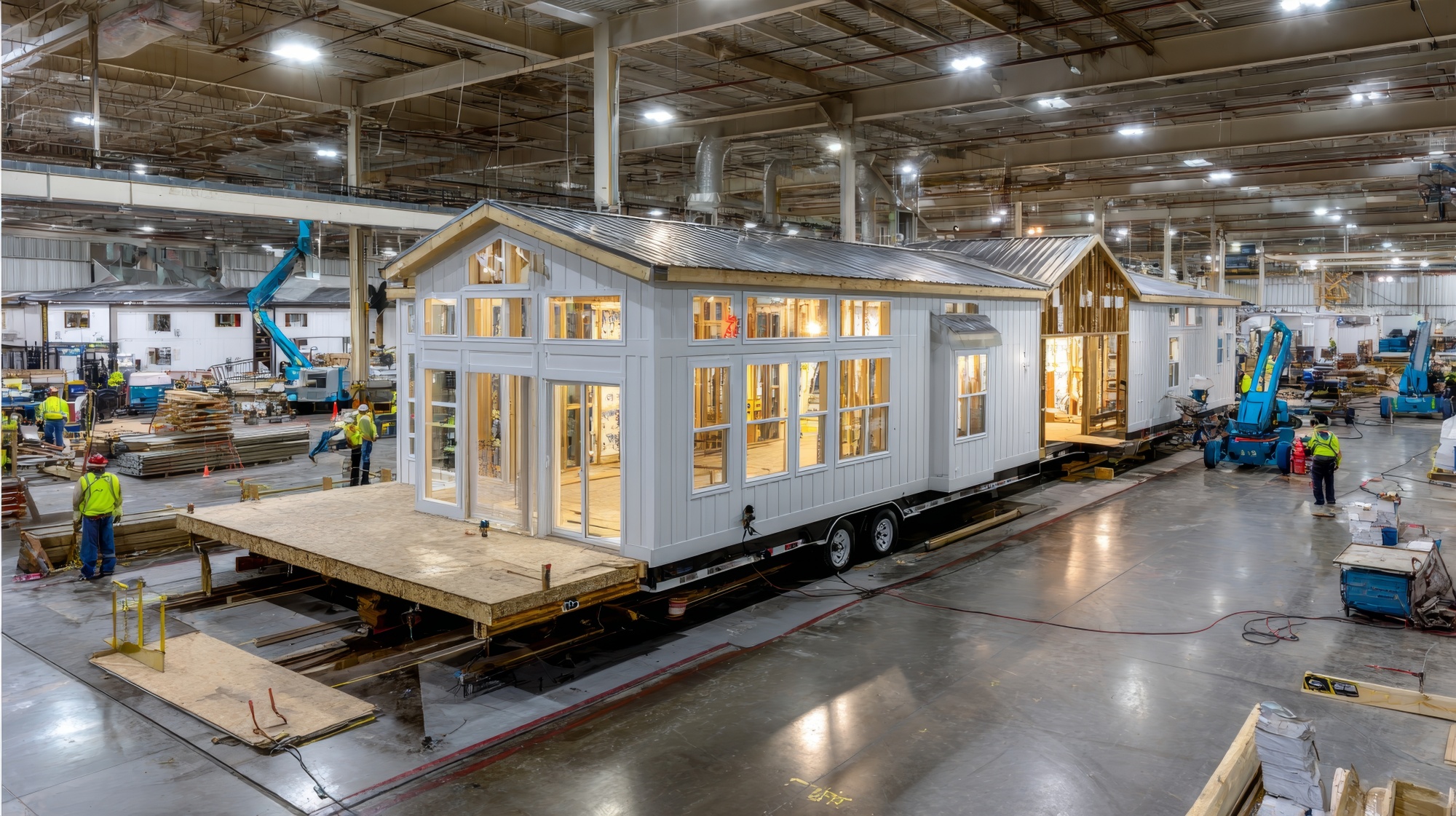
Different lenders use different guidelines, and those guidelines are often tied to how a structure is classified. A modular home on land you already own may qualify for construction financing that converts into a long-term mortgage, while a tiny home on wheels on that same property may fall outside traditional mortgage guidelines and require a different type of financing. Both projects may solve the same housing need, but they are not always treated the same way from a lending perspective. That distinction is where many people get stuck.
- Land Ownership - Whether you already own land, are buying land, or want to combine a land purchase and construction into one plan.
- Foundation type — Whether the structure will be permanently affixed to land or remain movable.
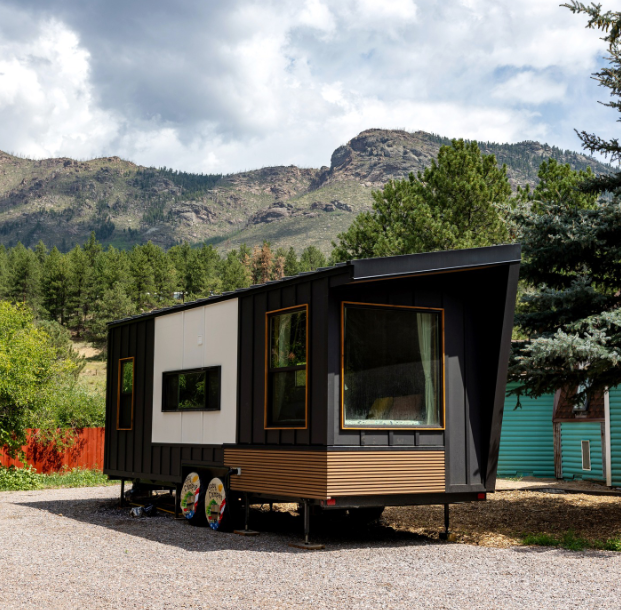
- Structure classification — Whether the project is considered modular, site-built, ADU, tiny home on wheels, or another category used by lenders, appraisers, and insurers.
- Project scope — Whether you are building new, adding to an existing property, or placing a structure on land you already control.
These factors work together. Changing even one of them can change the financing options available.
Common Financing Paths
Depending on how the project is structured, financing may include:
Construction Loans
Used to fund the building process, often converting to permanent financing after completion.
A single loan that can cover land, construction, and long-term financing in one process for projects that qualify.
Traditional Mortgages
Often available for qualifying modular or site-built homes on permanent foundations.
Home Equity Financing
Commonly used for ADUs on property you already own, especially when equity is available.
Alternative Financing
Sometimes used for projects that do not meet standard mortgage guidelines, including some tiny homes on wheels or other non-traditional structures.
Two Factors That Often Get Overlooked
Even when a lender is open to the project, two additional factors can affect whether the loan moves forward.
Appraisal
The property value must be supported by comparable sales in the market. In some areas, especially with newer or less common housing types such as certain barndominiums, finding comparable properties can be difficult, which may affect the final loan structure or approval.
Insurance
Insurance requirements vary by property type and location. Some alternative housing structures can be more difficult to insure than traditional homes, and that can affect both financing and long-term ownership costs.
Where Projects Often Break Down
Many projects do not stall because the idea is wrong. They stall because the key pieces were not aligned early enough.
Common issues can include:
- Choosing a structure before confirming financing options.
- Assuming every lender evaluates alternative housing the same way.
- Designing a project that does not meet loan, appraisal, or insurance guidelines.
- Treating financing as the final step instead of an early planning decision.
Why Guidance Matters
Because financing depends on multiple moving parts, it’s not always intuitive. Working with an experienced lender who understands how land, structure type, classification, and financing fit together can help you avoid delays, redesigns, and expensive surprises later in the process.
At US Tiny Loans, our goal is to help you create clarity before you commit time, money, or energy in the wrong direction. The earlier financing is aligned with the project, the smoother the path usually becomes.
How This Fits Into Your Planning
Financing is not just something to figure out at the end. It helps define what is possible from the start, including your budget, design direction, land strategy, and timeline. When financing is aligned early, every other decision gets easier to make.
Book a Free Consultation
If you are trying to understand what financing may fit your tiny home, ADU, modular home, or barndominium project, book a free consultation with US Tiny Loans. We help clients across the contiguous 48 states think through the moving parts early so they can make smarter decisions with more confidence.
Disclaimer: Make sure RJ reviews your plans before you take action, as zoning rules and laws can change between zip codes, cities, and counties anywhere in the United States.
Frequently Asked Questions
Why can’t all tiny homes be financed the same way?
Because classification, foundation type, land ownership, and local rules vary from one project to another.
Is there one best financing option?
No. The best option depends on how the project is structured, where it will be placed, and what you are trying to accomplish.
Flexible Financing for Your Tiny Home, Modular Home, Barndominium or ADU Dream
Let's talk about turning your vision into a reality!