



Set Up a Free Consultation
How Much Does a Modular Home Cost?
What a Modular Home Project Actually Costs
It's the first question almost everyone asks — and it deserves a straight answer.
Modular homes are often marketed as a more affordable alternative to traditional construction, and that can genuinely be true. But the number in a manufacturer's brochure and the number you'll actually spend rarely match. The reason is simple: the home is one part of the cost. The full project is the whole thing.
This page breaks down what actually goes into total project cost — so you can plan around real numbers, not just the ones that get advertised.
The Two Numbers You'll Hear — and Why the Gap Matters
When you start pricing out modular homes, you'll run into two very different figures:
-
The cost of the home itself — what the manufacturer charges for the factory-built structure
-
The total project cost — everything required to get that home finished and livable on your property
The first number is what gets featured in listings and marketing materials. The second number is what you'll actually spend. Neither is wrong — they're just measuring different things. The confusion comes from treating them as the same number, which happens more often than it should.
Realistic Cost Ranges
Here's a practical starting point, keeping in mind that actual costs vary significantly by location, design, and site:
| Cost Category | Approximate Range |
|---|---|
| Modular Home (Factory Cost Only) | $80 – $160 per sq ft |
| Total Project Cost (All-In) | $150 – $300+ per sq ft |
The gap between those two rows is everything that happens between built in the factory and ready to move in — and that gap is what catches most people off guard.
The Three Layers of Cost
Layer 1: The Home
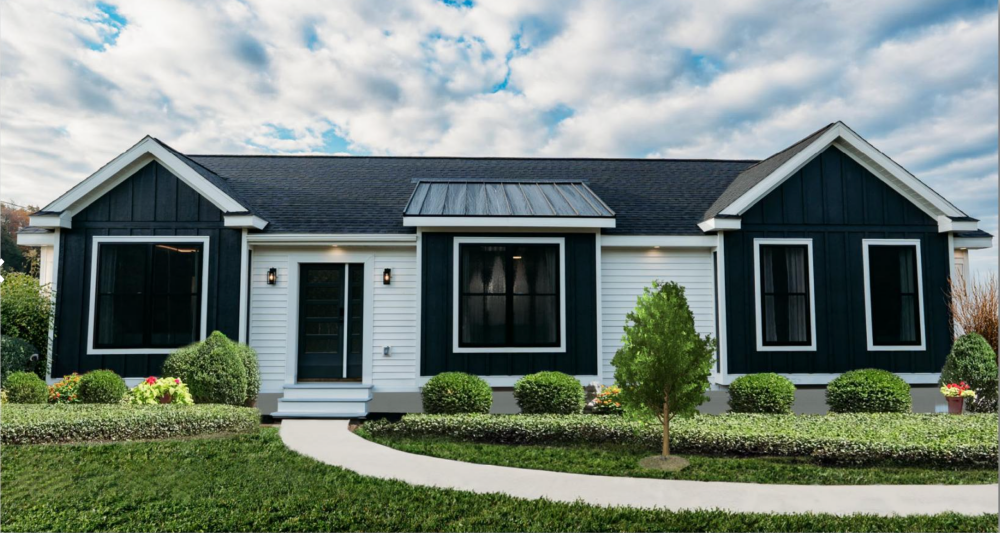
This is the factory-built structure — modules, standard finishes, base design configuration. It's the most visible part of the budget and usually what people plan around first. Upgrades like premium finishes, custom layouts, or additional modules add to this number, sometimes significantly.
Layer 2: Soft Costs
These are the costs that don't show up on a manufacturer's quote but are very real parts of any project:
-
Building permits and plan review fees
-
Engineering or architectural work
-
Impact fees (required in many jurisdictions)
-
Inspections and approvals at various phases
Soft costs vary widely by location and are frequently underestimated because they're not visible in early conversations about the home itself.
Layer 3: Site and Infrastructure
This is where cost variability increases the most — and where budgets most often get strained:
-
Foundation: (slab, crawl space, or basement)
-
Site preparation: grading, clearing, excavation, drainage
-
Utilities: water connection or well, sewer or septic system, electrical service, gas
-
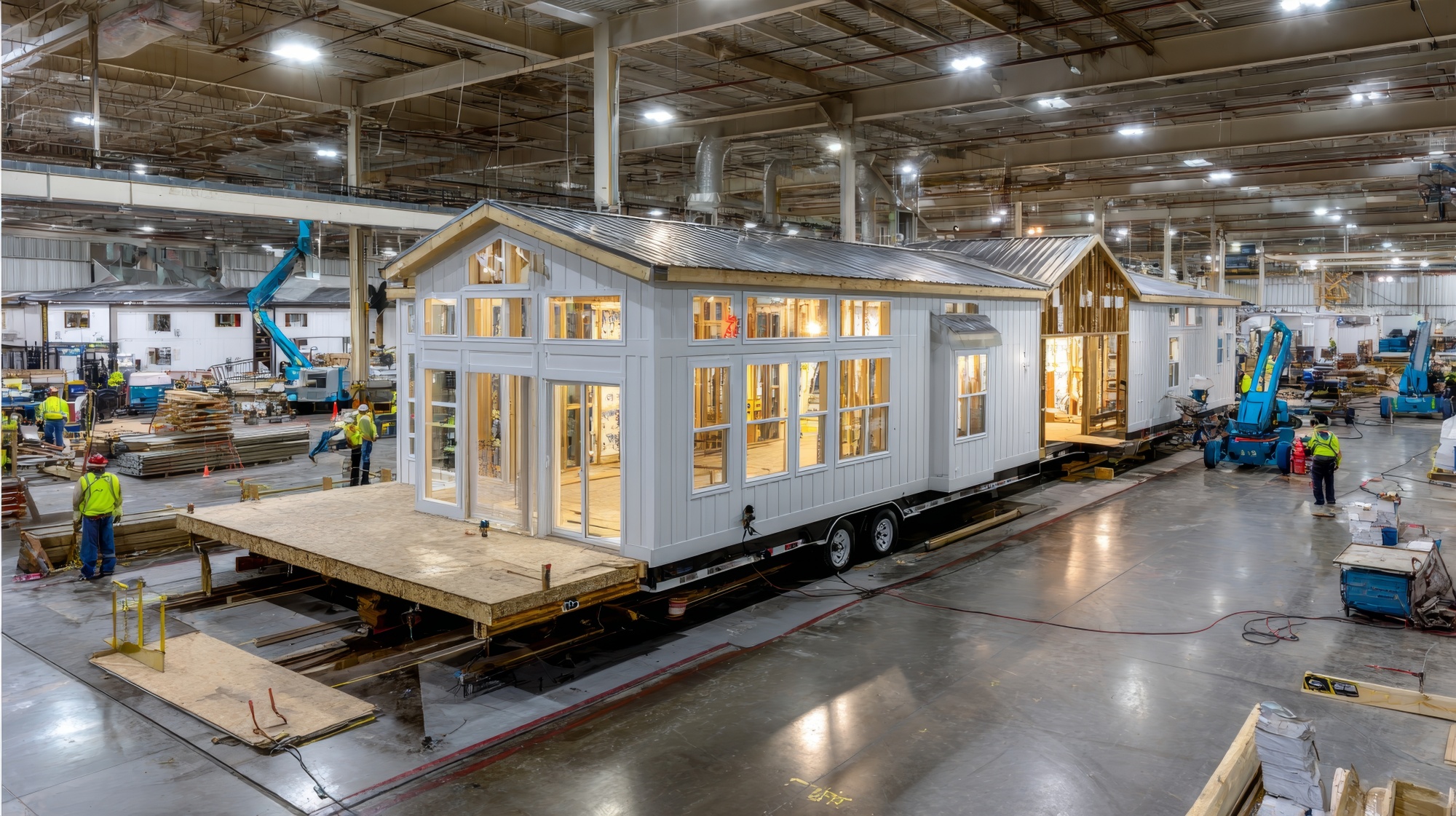
Delivery: from the factory and crane set on-site
-
Finishing: work after the home is placed
Rural properties, undeveloped land, and locations far from utility connections can push this layer considerably higher than people anticipate.
What Tends to Catch People Off Guard
Even buyers who do their research are sometimes surprised by how the final number comes together. The most common surprises:
-
The factory price covers a much smaller portion of the total project than expected
-
Site work and utility costs on undeveloped or rural land can be substantial
-
Soil and grading conditions aren't fully known until someone physically assesses the site
-
Local permit and impact fee structures vary dramatically — sometimes between neighboring counties
None of these are reasons to avoid a modular home project. They're just reasons to plan for the whole project, not just the structure.
Cost vs. Long-Term Value
Modular homes are frequently chosen for cost reasons — but the long-term value picture is worth considering alongside the upfront number.
When a modular home is built on a permanent foundation and properly classified as real property, it can appreciate similarly to a traditional site-built home, qualify for conventional resale financing, and build equity the way a standard mortgage does. That's a meaningful distinction from some other alternative housing types where long-term equity accumulation is less predictable.
How Financing Connects to Cost Planning
The way you finance a modular project has a direct effect on total cost — not just the monthly payment.
A one-close construction loan, for example, can wrap land, construction, and the permanent mortgage into a single structure with one closing — which reduces both the complexity and the closing costs compared to handling each phase separately. Understanding your financing options before you finalize your scope helps ensure you're designing a project that's actually fundable, rather than having to scale back once you're already committed.
Where Budgets Usually Break Down
Most modular projects that go over budget don't do so because the home itself cost more than expected. They go over because the rest of the project wasn't fully scoped:
-
Site work and utilities were estimated loosely instead of priced out
-
Soft costs weren't factored in until they showed up as invoices
-
Design changes during construction added costs that weren't in the original budget
-
The full project scope wasn't aligned with financing from the beginning
Building a detailed, realistic budget before any commitments are made is one of the most valuable things you can do early in the process.
A Simple Way to Think About Cost
Rather than chasing one big number, think about cost in three layers:
-
What does the home cost to manufacture and deliver?
-
What does the land require to accept, connect, and support the home?
-
What is required to make it livable and code-compliant?
When you can answer all three with real numbers, the total project cost becomes clear — and your planning gets a lot more reliable.
Book a Free Consultation
If you're trying to figure out what a modular home project might actually cost for your specific property and situation, let's work through it together. Book a free consultation with RJ Jaramillo. We'll look at the full picture — home, site, and financing — so you can plan with confidence rather than work around gaps you didn't know were there.
Costs, zoning requirements, and construction conditions vary widely by location. Always review your specific plans with a qualified professional before making decisions.
Frequently Asked Questions
Are modular homes cheaper than traditional homes?
They can be — but the honest answer depends on your land, location, and what site work your property requires. The home itself is often competitive on price. Whether the total project saves money depends on factors unique to your situation.
What does the base price of a modular home include?
Typically the factory-built structure with standard finishes. It generally does not include land, foundation, site preparation, utilities, permits, or finishing work.
What tends to be the most expensive part of a modular project?
It varies by property, but site work and utilities are where the biggest surprises typically show up — especially on rural or undeveloped land where infrastructure connections are farther away.
Can I finance the total project cost, not just the home?
In many cases, yes — depending on the loan type and how the project is structured. A one-close construction loan is often the most practical tool for wrapping land, construction, and the permanent mortgage into a single manageable package.
Don't get surprised by additional costs during your modular home project.
Unlock your property's potential with our flexible loan options. Apply now and turn your vision into a reality!