



Set Up a Free Consultation

How Much Does a Tiny Home Cost?
Looking at the Full Picture of Cost
When people first start researching tiny homes, the numbers can be all over the place. You might see a home listed for $50,000 and assume that’s the total investment. Then you talk to someone else who spent closer to $150,000 or more on their full setup. Both of those numbers can be accurate. They’re just describing different parts of the project. Understanding that difference early makes everything else easier to plan.
The Number People See vs the Number That Matters
Most listings focus on the cost of the structure itself. That’s the part that gets attention, and it’s easy to compare from one builder to another. But the structure is only one piece of the total. The number that really matters is what it takes to go from a tiny home to a place that’s fully set up and livable. That includes where it’s going, how it’s connected, and what’s required to make it work in that location.
Typical Cost Ranges
Costs vary quite a bit depending on size, finishes, and location, but there are some general ranges that can help set expectations.
A tiny home itself might fall somewhere between $40,000 and $120,000 or more, especially if it’s custom-built. When you look at the full project, including setup and infrastructure, many people end up somewhere between $75,000 and $200,000 or higher. Where you land in that range depends less on the home itself and more on everything around it.
The Three Parts of the Total Cost
It helps to think about cost in layers rather than one number. The first layer is the home itself. The second is everything required to place it. The third is what it takes to make it usable long-term. Once you see all three together, the numbers start to make more sense.
The Home Itself
This is the structure you’re buying from a builder. It includes the layout, finishes, and in some cases appliances. Costs increase with size, materials, and customization, just like any other home.
The Setup and Soft Costs
This is where people are often caught off guard. Permits, plan approvals, inspections, and in some areas impact fees can all add to the cost. If the home is going on a foundation, there may also be engineering or design requirements. These aren’t always obvious upfront, but they’re part of making the project legal and complete.
The Site and Infrastructure
This is usually the most variable part of the project. If the land is already prepared with utilities nearby, costs can be relatively manageable. If not, they can increase quickly. Things like grading, access, septic systems, water connections, and electrical setup all fall into this category. This is also where two similar homes can end up with very different total costs depending on location.
What Tends to Surprise People
Even people who do a fair amount of research are often surprised by how much of the cost sits outside the structure itself. It’s common to underestimate site work, utilities, or local requirements. It’s also common to assume that placing the home is simpler than it turns out to be. None of this means the project isn’t worth doing. It just means the planning needs to include more than the purchase price.
How Structure Type Affects Cost
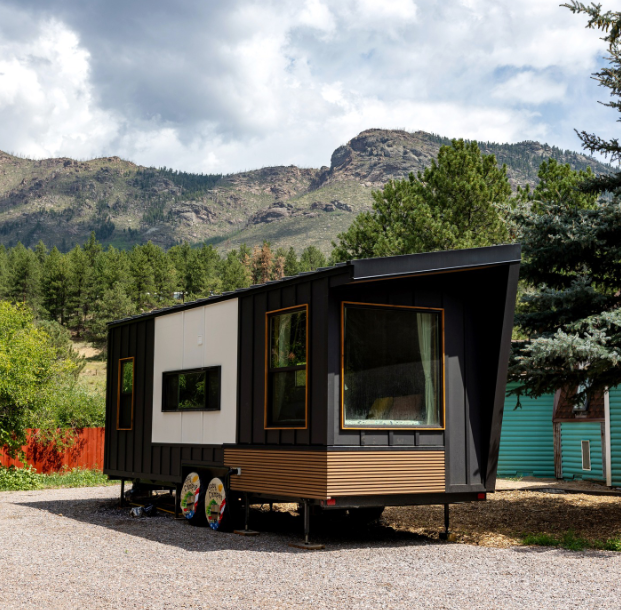
Whether the home is on wheels or on a foundation will change how the project comes together. Homes on wheels often have lower upfront structure costs and more flexibility in where they can be placed. At the same time, they may come with limitations around zoning or long-term placement. Foundation-based homes usually involve more upfront work, including permitting and site preparation, but they can align more closely with traditional housing over time.
Cost and Long-Term Value
Cost is one part of the decision. Value is another. Tiny homes on wheels are often treated as personal property, which means they don’t always appreciate the way real estate does. Homes on foundations may follow more traditional patterns depending on how they’re classified and where they’re located. Understanding that difference helps you think about the project not just as a purchase, but as part of a longer-term plan.
Where Budgets Tend to Shift
Most budget changes don’t come from the home itself. They come from things that weren’t fully accounted for early on. That might be site work that turns out to be more complex, or permits that take longer than expected, or changes made once the project is already underway. Planning the full scope from the beginning helps reduce those surprises.
A Simple Way to Think About Cost
Instead of trying to land on one number right away, it can help to think in three parts:
-
What does the home cost
-
What does it take to place it where you want it?
- And what does it take to make it fully functional?
Answering those questions gives you a much clearer picture than any single price ever will.
Book a Free Consultation
If you want help understanding what your specific project might look like from a cost perspective, you can book a free consultation with RJ Jaramillo. He can walk through your situation and help you connect the pieces so you can plan with more confidence.
Disclaimer
Costs, zoning rules, and requirements vary by location. It’s important to review your specific plans with local zoning offices, permitting authorities, and any lenders or contractors involved before making decisions.
Don't get surprised by additional costs during your tiny home project.
RJ Jaramillo can work with you to help you plan your project correctly from the very start.