



Set Up a Free Consultation
Tiny Home Financing Guide
Understanding How Tiny Home Financing Actually Works
Most people don’t start their tiny home journey thinking about financing categories or loan structures. They start with a vision. Maybe it’s a simpler way of living. Maybe it’s creating space for family. Maybe it’s finally building something on land they already own. Then somewhere along the way, the financing question comes up, and that’s usually where things start to get complicated.
It’s not that tiny homes can’t be financed. It’s that they don’t all fit into one clean, predictable path the way traditional homes do. And until you understand which path your project falls into, it can feel like you’re getting different answers from different people.
Contact RJ
Why It Feels So Inconsistent
At the heart of it, lenders are trying to answer a very basic question. What exactly are they financing? Is it something permanent, like a house attached to land, or is it something movable, more like a vehicle or personal property?
Tiny homes can fall into either category. And that one distinction changes almost everything that comes after, including what kind of loan is even possible. Once you see it that way, the confusion starts to make more sense.
The Three Paths Most Projects Fall Into
Even though every project is a little different, most tiny home plans end up following one of three general paths. Understanding which one applies to you is one of the most helpful things you can do early on.
Tiny Homes on Wheels (THOWs)
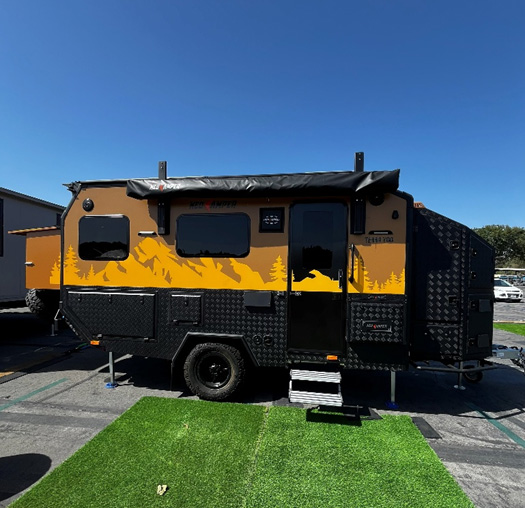
If the home is built on a trailer, it’s usually treated as personal property rather than real estate. That means it typically won’t qualify for a traditional mortgage, even if you plan to live in it full-time. Instead, financing may come from options like RV-style loans, personal loans, or specialty programs depending on the builder and certification.
These can still work well, but the terms tend to look different. You may see higher interest rates, shorter loan terms, or larger down payments compared to a traditional home loan. If the home will be placed in a community or on land you don’t own, this is usually the lane it stays in.
Tiny Homes on Permanent Foundations
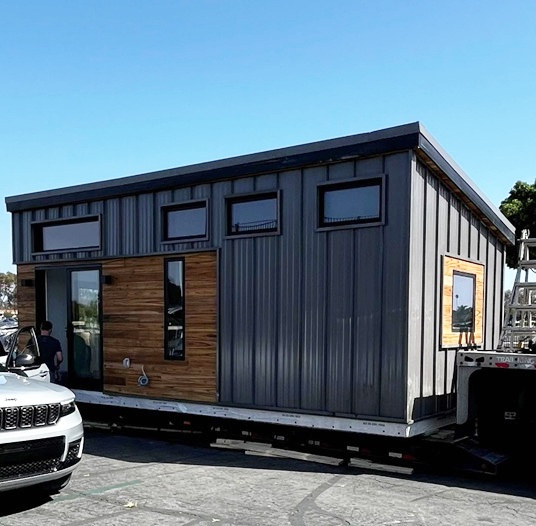
When a tiny home is built on a permanent foundation and tied to land, it may be treated more like real estate. This opens the door to more traditional types of financing, including construction-to-permanent loans or other property-based options, depending on how the project is structured. That said, it doesn’t happen automatically.
The home needs to meet local requirements, be properly permitted, and fit within how lenders evaluate residential properties. In some areas, the biggest challenge is simply finding comparable properties to support the value during appraisal. This path can offer more long-term stability, but it requires more coordination upfront.
Tiny Homes as Part of an Existing Property
If you’re placing a tiny home on land you already own, especially as a second unit, the project is often treated as an ADU. In that case, financing may come through your existing property rather than the tiny home itself. People commonly use home equity, cash-out refinancing, or renovation-style loans for this type of setup. This can be one of the more flexible paths, but it also ties the project to your primary home and overall financial picture.
What Lenders Are Actually Looking At
Regardless of the path, most lenders end up evaluating the same core pieces.
They want to understand how the home is built and whether it meets recognized standards. They look at where it will be placed and whether that use is allowed. They want to see a clear plan for utilities, access, and infrastructure.
And then there’s the financial side. Credit, income, and overall stability still matter, just like they would with any loan.
If any one of these pieces is unclear, the process can slow down or require adjustments. When they’re aligned, things tend to move much more smoothly.
Where People Get Off Track
One of the most common patterns is starting with the home itself. Someone finds a design they love, maybe even puts down a deposit, and then starts working backward to figure out zoning, land, and financing. That’s usually when friction shows up. It’s not because the idea doesn’t work. It’s because the pieces weren’t lined up in the right order.
A More Reliable Way to Approach It
A smoother path usually starts with the bigger picture. Start with what you’re trying to accomplish. Is this a primary residence, a rental, or extra space on your property? Then look at where the home will go and what’s allowed there. From there, you can start to see which financing path makes sense. Once those pieces are clear, choosing the right structure becomes much easier. It’s a small shift, but it tends to save a lot of time and frustration.
Timeline Expectations
Tiny home projects are often quicker than traditional construction, but they still take time. Between planning, permitting, financing, and setup, the full process can range from a few months to close to a year depending on the situation. Knowing that upfront helps set realistic expectations and reduces stress along the way.
Moving Forward with Clarity
Tiny homes can absolutely be a workable and practical solution. They just require a slightly different approach than traditional housing. Once you understand how your project is classified and what that means for financing, the rest of the decisions become much easier to navigate.
Book a Free Consultation
If you want help thinking through your specific situation, you can book a free consultation with RJ Jaramillo.
He will walk through your goals, your land or placement plan, and the type of structure you’re considering so you can move forward with a clearer understanding of what’s possible.
Disclaimer
Zoning rules, financing availability, and requirements can vary widely depending on location. These can differ from city to city, county to county, and even between nearby areas. It’s important to review your specific plans with the local zoning office, permitting authorities, and any lenders you plan to work with before taking action.
Financing a Tiny Home Project Can Feel Overwhelming.
RJ Jaramillo can cut through the clutter and set you up for a successful project.