



Set Up a Free Consultation
Start Here: A Complete Guide to Tiny Homes, ADUs, and Alternative Housing
You're Thinking About Building Something Different
How tiny homes, ADUs, modular homes, and barndominiums are related — and how to figure out which one works for your situation
Maybe you’ve been thinking about building a tiny home for a while. Or someone mentioned that adding an ADU to your property could create extra income, and you started looking into it. Or maybe you love horses and have been dreaming about your ideal barndominium. Either way, once you start researching, you quickly realize there’s no shortage of information.
One site explains tiny home living.
Another walks through ADU permits.
Somewhere else dives into barndominiums.
And financing, whether it’s construction loans, home equity, or other options, often feels like a completely separate conversation, if it’s explained at all.
After a few hours, you may find yourself knowing more individual pieces… but feeling less certain about what to actually do next.
Finding clear, connected answers for your specific situation, all in one place, is not easy.
That’s why this site was created.
To bring everything together.
To give you the full picture.
And most importantly, to explain it in a way that actually makes sense.
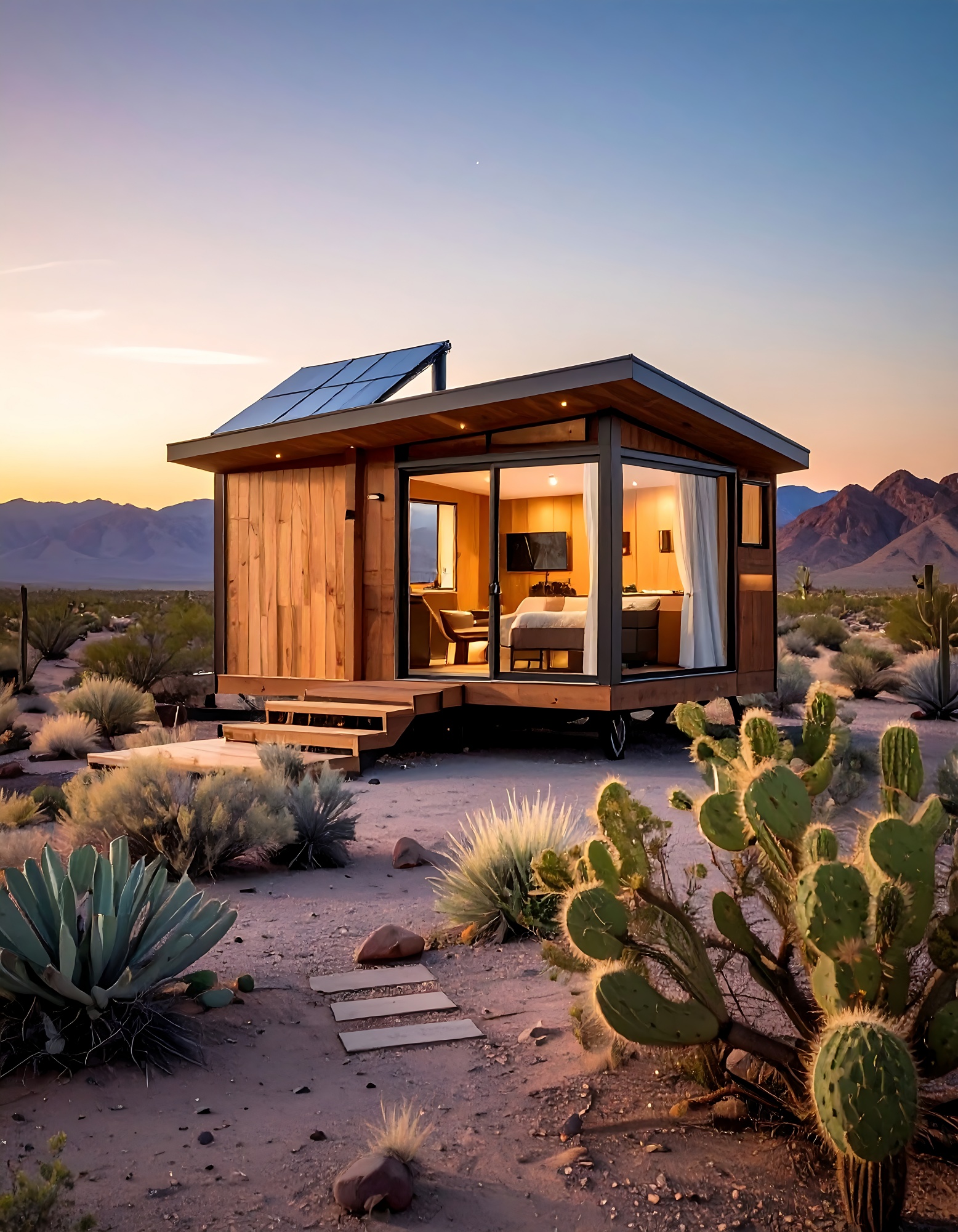
Tiny homes, ADUs, modular homes, and barndominiums are all part of a broader category known as alternative housing. While they look different on the surface, they share many of the same considerations when it comes to design, construction, zoning, and financing.
These four housing types are similar... but also different.
Whether you're drawn to a tiny home on wheels, curious about adding an ADU to your property, considering a modular home on land you own, or thinking about building a barndominium — these paths look different on the surface, but underneath they're all solving the same set of problems.
How do you create flexible living space that fits real life, a real budget, and real land?
People arrive at these options for all kinds of reasons. Some need a place for an aging parent that doesn't require a facility. Some want rental income from land they already own. Some are building on rural acreage where a traditional subdivision home would never make sense. Some are simply trying to own something in a housing market that has priced them out of the conventional path. The specific structure is secondary to the goal underneath it. Understanding that shift is the first thing that makes this whole subject easier to navigate.
What ties all four options together is that none of them follow the standard "find a house, get a mortgage, move in" process. They require a different kind of planning, a different kind of lender, and a different sequence of decisions. That shared complexity is exactly why approaching them as one category, rather than four disconnected topics, makes the whole process less overwhelming.
What You’ll Learn on This Site
- What you can legally build on your land
- What different housing types actually cost
- How financing works for each type of project
- How to move from idea to completed build without getting stuck
Why the research usually breaks down
The typical research journey starts with a specific question:
Can I put a tiny home on my property?
What does it cost to build an ADU?
Is a barndominium harder to finance than a regular house?
Those are all reasonable questions, but they lead people into isolated corners of the internet where the answers only make sense in that narrow context.
What most people actually need to know, before any of the specifics, is how land, structure, and financing interact. Those three things drive almost every outcome.
The land determines what you're legally allowed to build and what infrastructure already exists. The structure determines what kind of loan applies and what the construction timeline looks like. The financing determines what's actually achievable given your equity, credit, and the specific project you're proposing. When people try to research structure without understanding land, or financing without understanding structure, the information they find doesn't connect, because it genuinely doesn't, in isolation.
The better entry point is your situation, not the housing type, because details vary significantly by location. What’s allowed in California may be very different from Texas or North Carolina, which is why understanding your local rules is a critical first step. Once the land question is answered, the list of viable structures narrows considerably. Once the structure is chosen, the financing options become much clearer. And once all three are understood together, the path from idea to move-in stops feeling like a maze and starts looking like a sequence of steps.
A Practical Overview of the Four Options
Each of these structures can be the right answer depending on what you're trying to accomplish. Here's how to think about each one honestly.
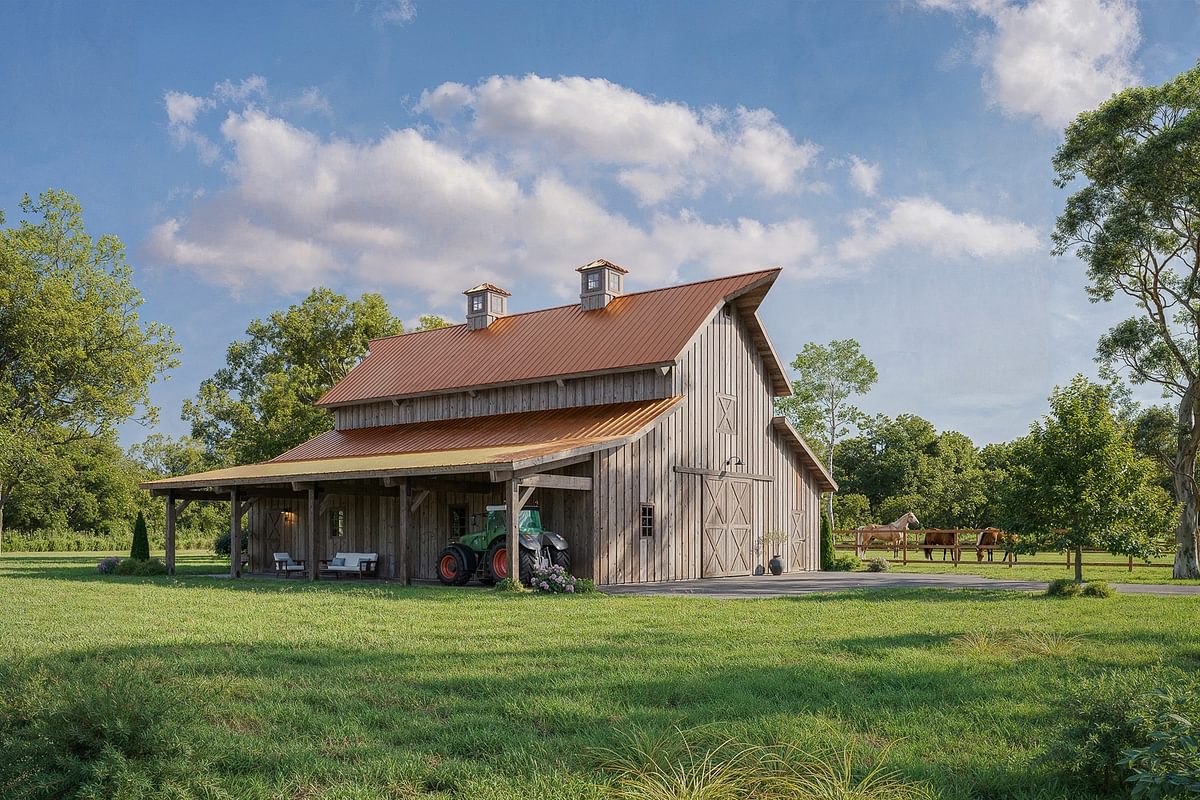
Tiny homes on wheels (THOW) are the most portable and often the most affordable entry point, but they come with constraints that catch people off guard. Because they sit on a trailer rather than a foundation, they're classified differently by lenders — a traditional mortgage doesn't apply, and placement is governed by local rules that vary widely. They work well for people who prioritize flexibility or have land where a permanent structure isn't possible or desired.
Tiny Home Financing Guide
Tiny Home Cost Guide
ADUs (Accessory Dwelling Units) are permanent structures built on an existing residential property — a backyard cottage, a converted garage, or a new standalone unit added to land you already own. They're subject to local zoning and permit requirements, but they build equity, generate rental income, and in many jurisdictions have become significantly easier to approve in recent years. For people who already own property, they're often the most financially straightforward path.
ADU Financing Guide
ADU Cost Guide
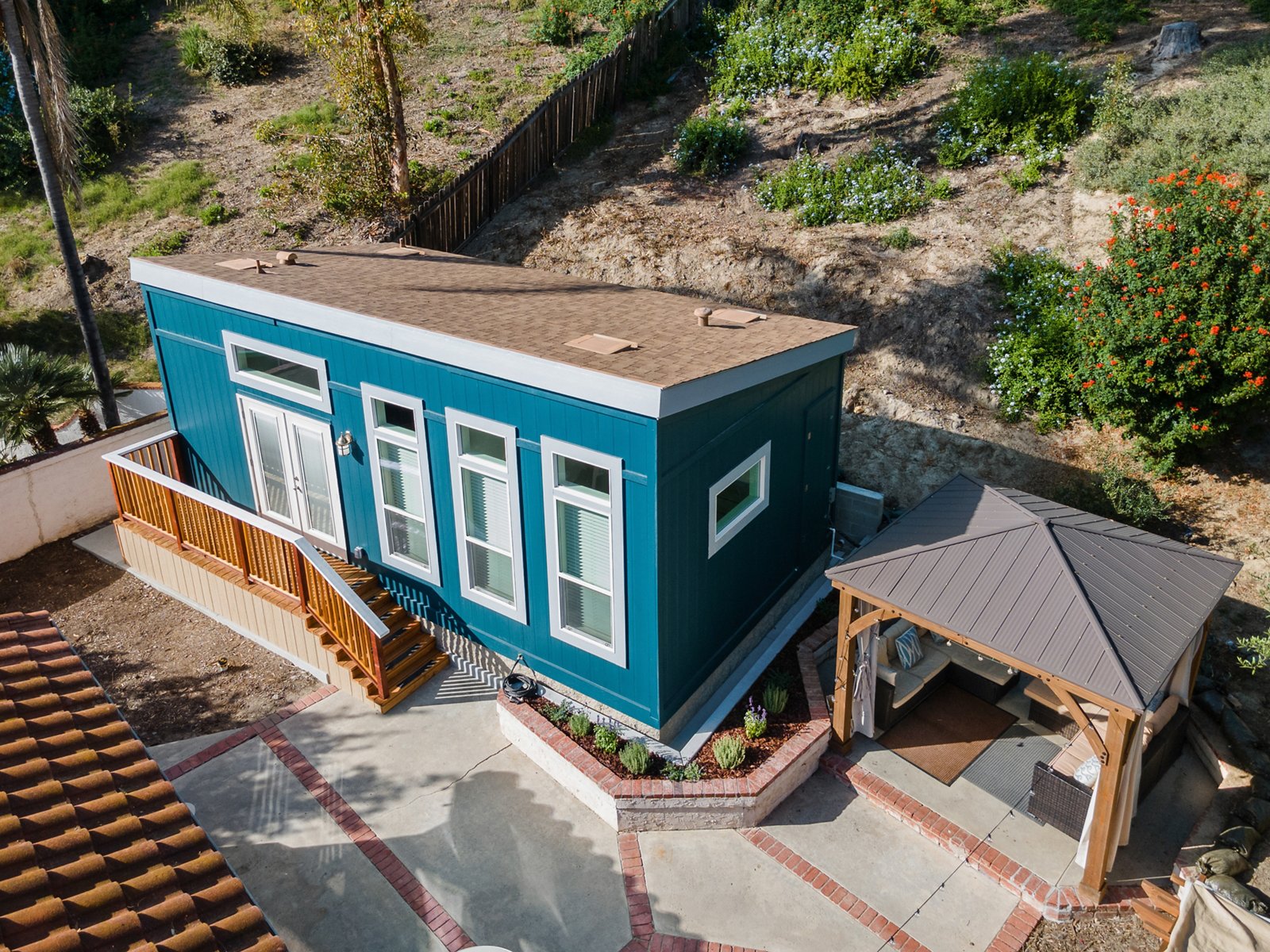
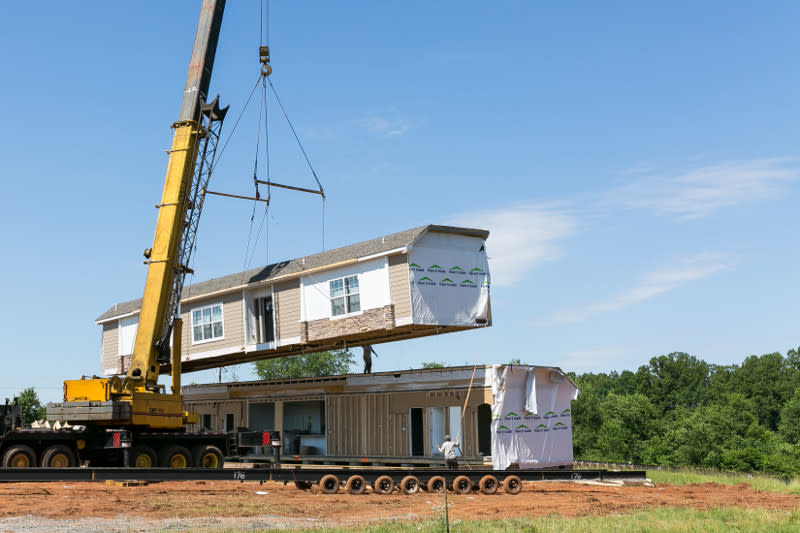
Modular homes are built in sections at a factory and assembled on-site on a permanent foundation. Because they're permanently affixed to land, they're treated more like site-built homes by lenders and appraisers — which opens up more conventional financing options. They're often faster to complete than site-built construction and can be considerably more cost-effective at scale.
Modular Home Financing Guide
Modular Home Cost Guide
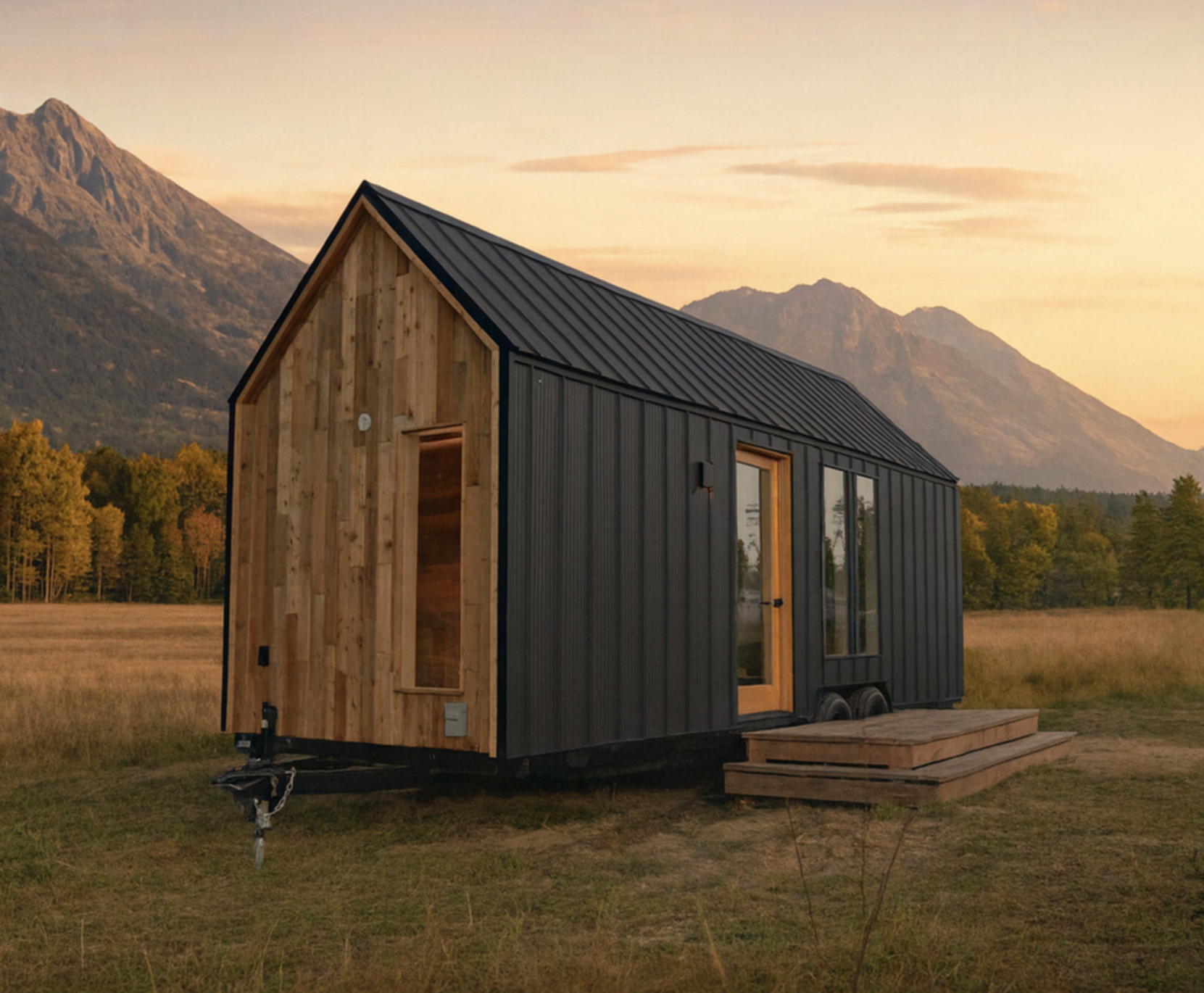
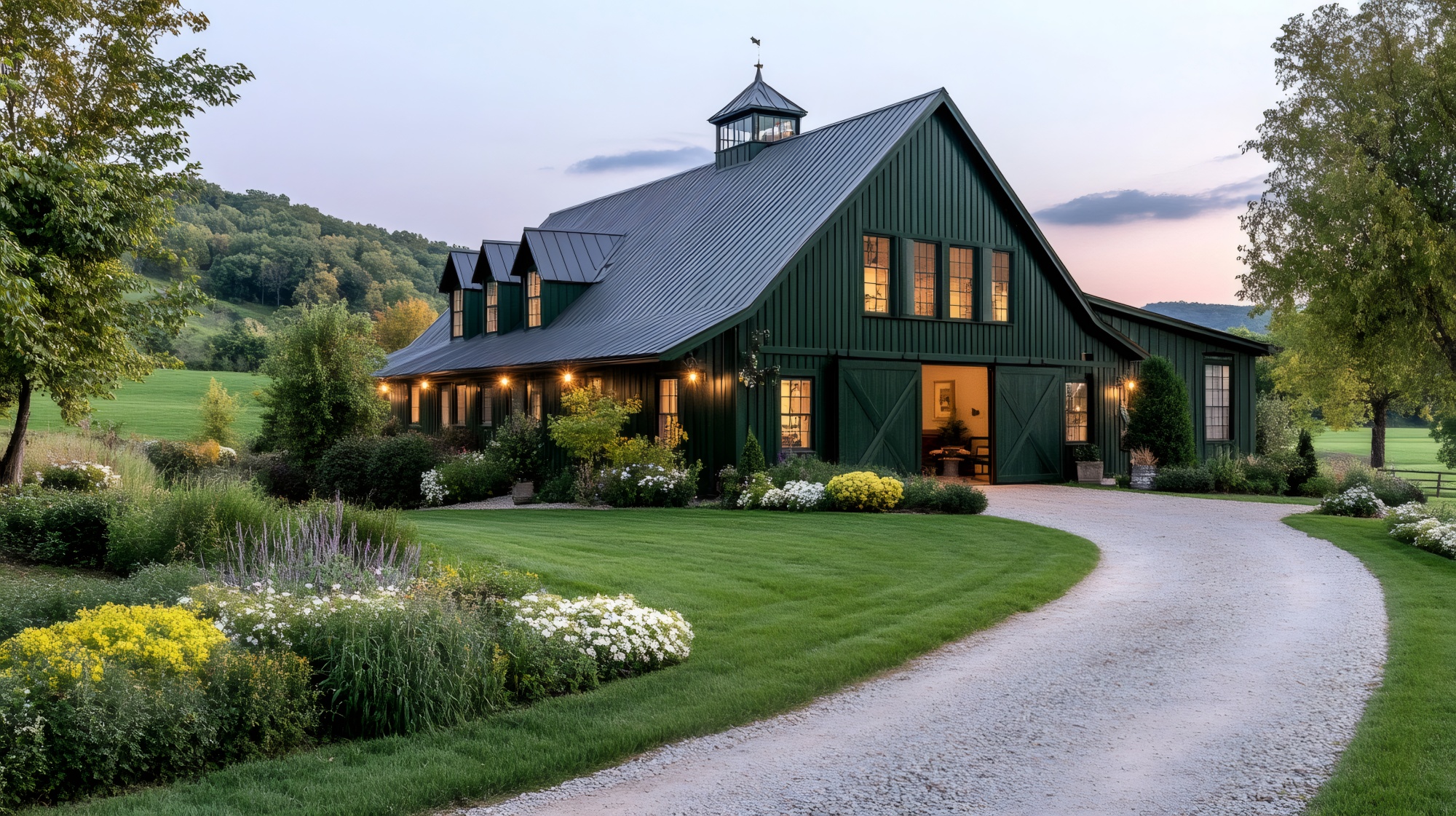
Barndominiums are open-frame structures that combine living space with functional areas — workshops, equipment storage, hobby space — and they're particularly well-suited to rural or agricultural land. Financing a barndominium requires a lender who understands how they're appraised and what loan products apply, since they don't always fit neatly into standard residential underwriting.
Barndominium Financing Guide
Barndominium Cost Guide
What Actually Makes a Project Work
Before anyone chooses a structure, there are three questions worth answering clearly:
- What does the land allow? Zoning regulations, lot size, setbacks, utility access, and whether the property is in a municipality or unincorporated area all affect what can be built and how. Skipping this step is the most common reason projects stall out after months of planning.
- What structure fits the goal? The right structure isn't just about preference — it's about what will be permitted, what will hold its value, and what the construction timeline and budget realistically allow. A structure that works beautifully in one county may face significant obstacles in the next one over.
- What financing is available for this specific project? Alternative housing financing is not one-size-fits-all. A tiny home on wheels requires a personal or RV loan. A modular home on a permanent foundation can often use a conventional mortgage. An ADU addition to an existing property might be best financed through a home equity loan or cash-out refinance. And for projects that involve buying land and building simultaneously, a one-close construction loan — one that covers land acquisition, construction, and permanent financing in a single transaction — can simplify what would otherwise require multiple separate loans and approvals.
Understanding how those three pieces fit together before committing to any one path is what separates projects that move forward from projects that don't.
About this site
This site is founded by RJ Jaramillo, a licensed mortgage professional with decades of experience helping finance homes and personal experience as well as experience helping clients build alternative housing projects across the country.
RJ Jaramillo has spent years working through decisions with homeowners across the country, helping guide real projects from concept through financing and construction, not as a theorist, but as both a licensed mortgage professional and someone who has built and lived in a tiny home himself.
He started in San Diego, helping homeowners navigate ADU development, and what began as a local specialty has grown into a nationwide consulting and financing practice covering all four housing types.
The content on this site is built to answer the questions that don't fit neatly into any single category: what to ask before you commit to a structure, how zoning affects what's possible in your state, why alternative housing financing works differently from a traditional mortgage, and how to sequence the entire process so that each step builds on the last.
If you're still figuring out what direction makes sense, start with the guides. If you have a specific project in mind and want to talk through what's actually feasible, the best next step is a direct conversation with RJ.
Schedule Your Personalized Consultation with RJ
Please enter your information here, and RJ will reach out to you to set up your personalized Zoom consultation.
Alternative Housing Shouldn't Be A Mystery
Discover how your dream of a tiny home, modular home, barndominium, or ADU can be within your reach.