



Set Up a Free Consultation
ADU vs Tiny Home vs Modular vs Barndominium
Most people make a decision early—a tiny home, an ADU, a modular home, or a barndominium—before they really understand the pros and cons of each option or which one could make the most of their budget to create a dream home or a successful investment. While these housing types may provide similar housing solutions, they are not the same in terms of placement, financing, classification, or long-term use.
Understanding the differences early can save time and prevent confusion later.
Tiny Homes
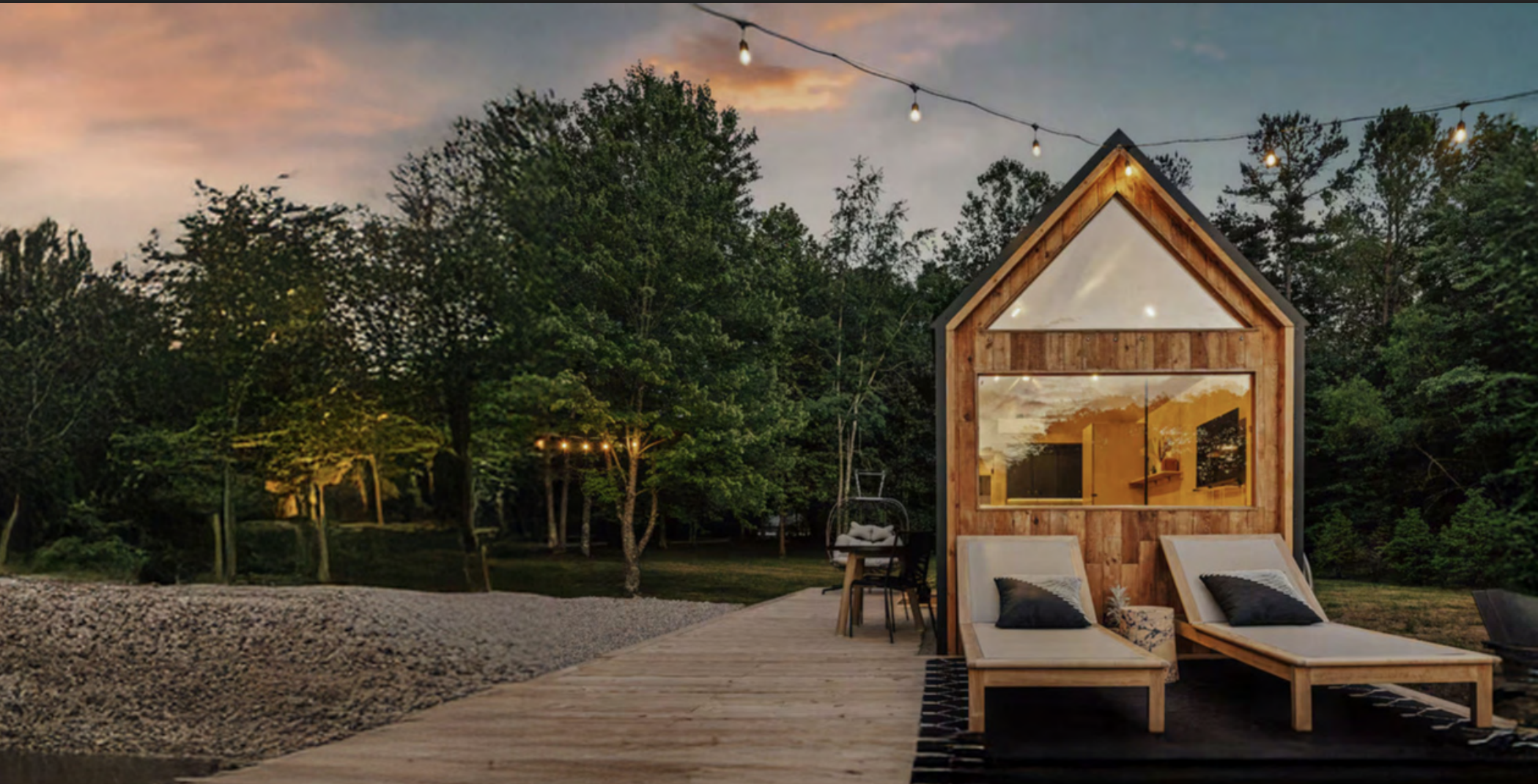
Tiny homes are usually smaller structures built either on wheels or on a foundation. That difference matters more than most people realize.
When a tiny home is built on wheels, it is often treated more like an RV or personal property than real estate, which can affect financing, placement, insurance, and resale. When a tiny home is built on a permanent foundation, it may align more closely with traditional residential standards depending on local building rules and how it’s classified.
Tiny Home Financing Guide
Accessory Dwelling Units
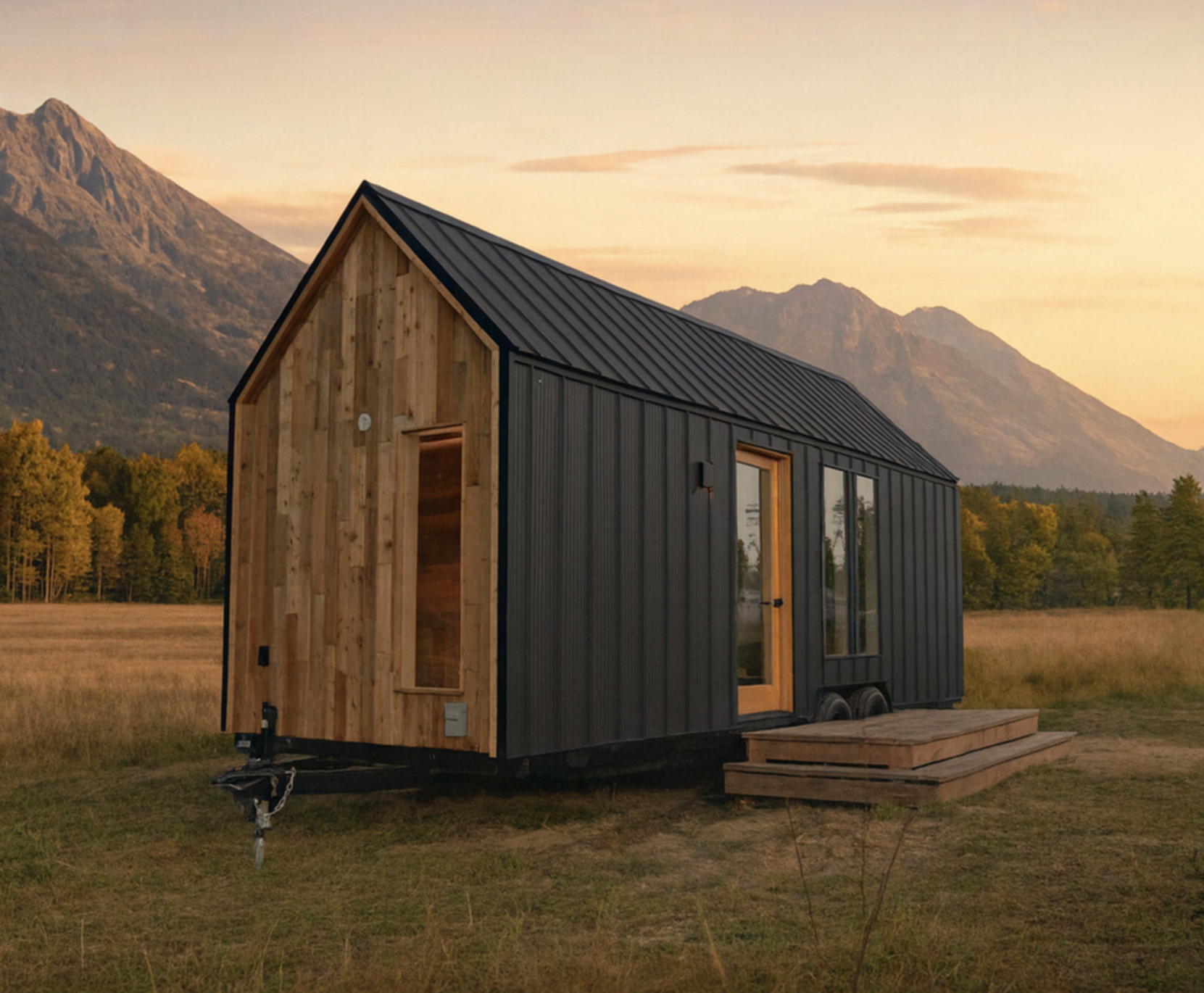
ADUs (also known as Granny Flats or mother‑in‑law suites) are secondary housing units built on the same property as a primary residence. They are regulated locally and must meet zoning and building code requirements in the city, zip code, or county where the property is located.
For homeowners who already own property, ADUs can be one of the more practical paths because they may add useful space, support multigenerational living, and in many cases can be financed through home equity or other property-based options.
ADU Financing Guide
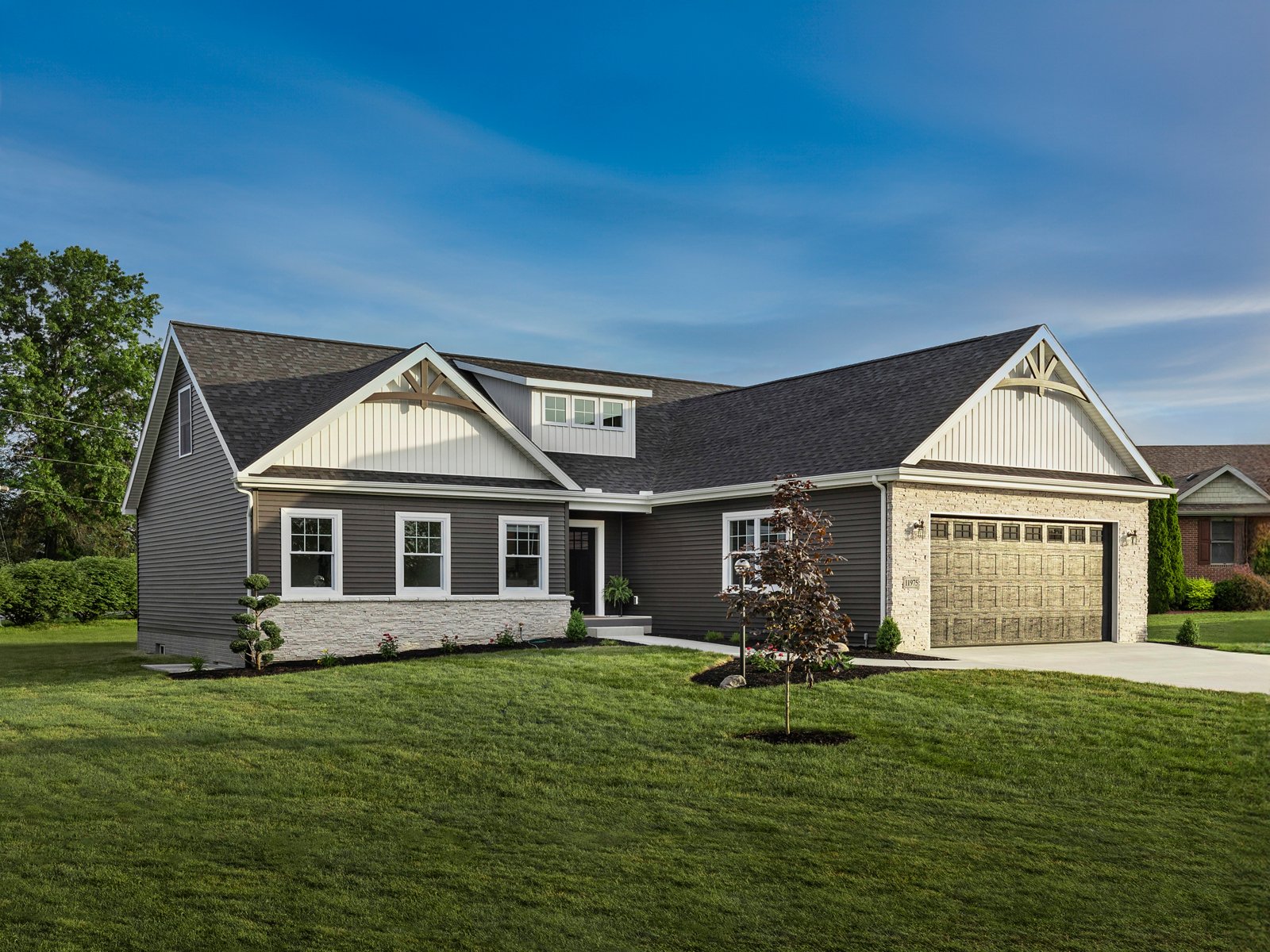
Modular Homes
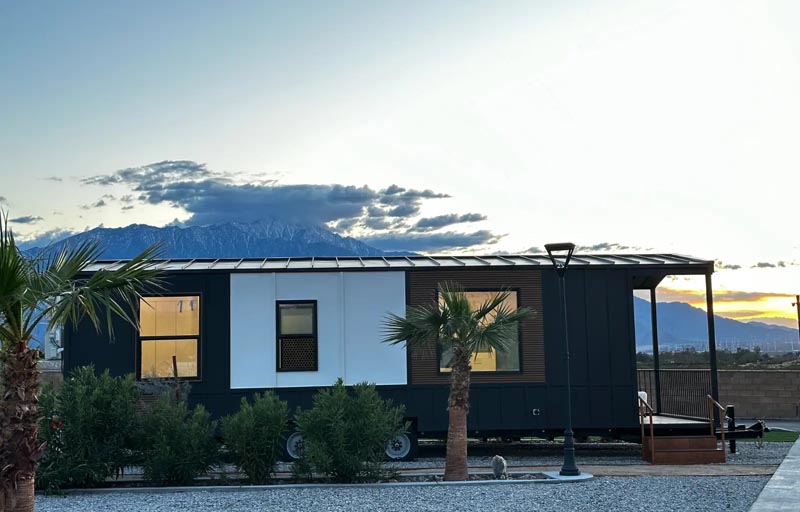
Modular homes are built in sections in a factory and assembled on-site on a permanent foundation. When built to residential code and properly classified, they are often treated similarly to site-built homes by lenders and appraisers, which can make financing, appraisal, and resale more predictable than many people expect.
Modular Home Financing Guide
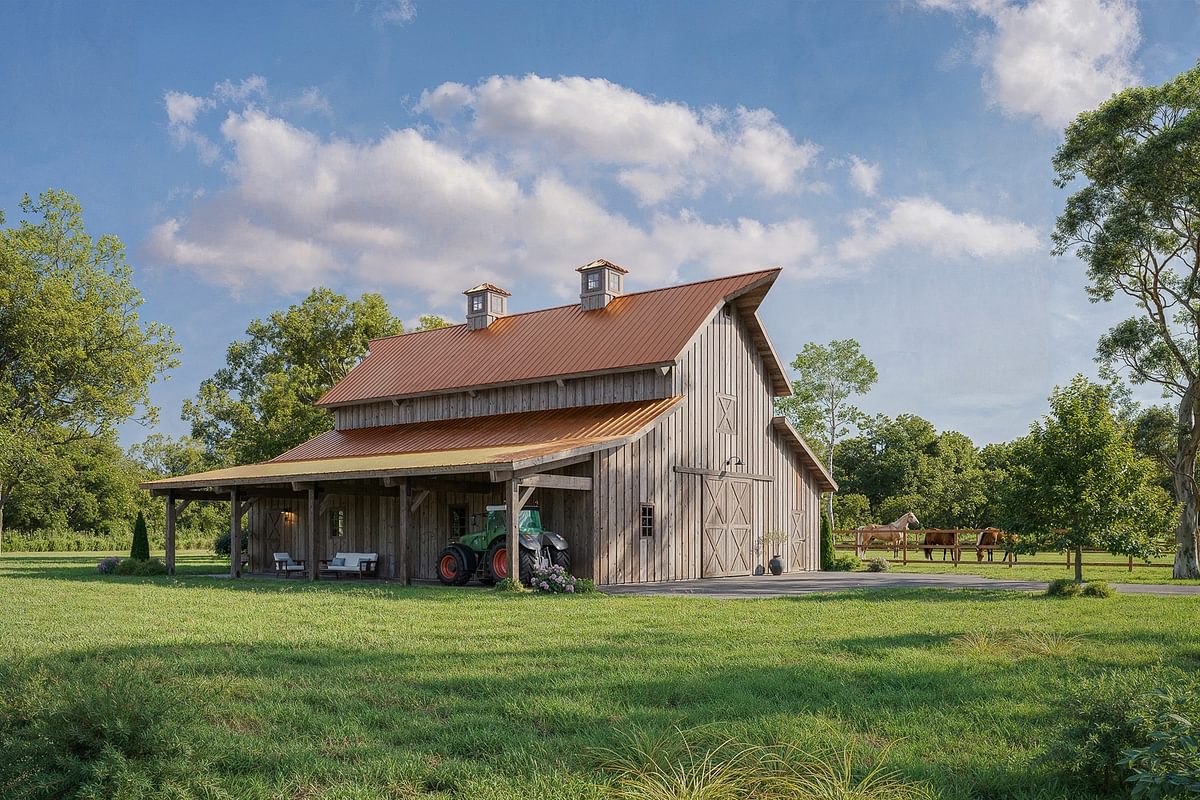
Barndominiums
Barndominiums combine residential living space with functional space such as barns, garages, or storage. They are often built on permanent foundations, but financing and appraisal can vary depending on design, construction type, local zoning, and the availability of comparable sales.
In some cases, a barndominium may finance more like a custom home. In other situations, the appraisal process can be more challenging than buyers expect.
Barndominium Financing Guide
What Surprises People Most
A few things catch people off guard:
- Tiny homes are not always the lowest-cost option once land, utilities, and setup are included.
- ADUs can be easier to finance than expected when usable equity already exists in the property.
- Modular homes are often treated much more like traditional homes than people assume.
- Barndominiums can depend heavily on local appraisal support.
Key Differences That Matter
When comparing options, these are the differences that matter most:
- Foundation — Permanent vs movable affects financing and classification.
- Zoning — Local regulations determine what is allowed on a property.
- Financing — Eligibility depends on how the structure is categorized.
- Use case — Primary residence, family housing, rental income, workspace, or flexible living.
How to Choose the Right Path
The best choice depends on your goals, your property, and your budget. In most cases, it is better to start with how you want to use the space, then work backward to the structure that fits your land, financing path, and long-term plans.
At US Tiny Loans, we help clients sort through these options before they commit to the wrong structure for the wrong reason.
Book a Free Consultation
If you are comparing a tiny home, modular home, barndominium, or ADU, book a free consultation with US Tiny Loans. We will help you understand which path may fit your property, goals, and financing options best.
Disclaimer: Make sure RJ reviews your plans before you take action, as zoning rules and laws can change between zip codes, cities, and counties anywhere in the United States.
Frequently Asked Questions
Which option is the most affordable?
Costs vary widely depending on location, design, land improvements, utilities, and site work.
Which is easiest to finance?
Structures on permanent foundations with clear classification usually align more closely with traditional financing options.
Want to learn more about financing options?
Talk to RJ Jaramillo about the right financing for your project.