



Set Up a Free Consultation
Modular Home Financing Guide
A Realistic Look at How Modular Home Financing Works
For a lot of people, a modular home feels like a smarter, more manageable way to build. And in the right situation — it genuinely can be. The construction is more controlled, the timeline is more predictable, and the cost tends to be less volatile than traditional site-built projects.
Financing, though? That part is rarely as simple as people expect when they first start looking into it.
The good news is that modular homes typically have more access to traditional financing than almost any other type of alternative housing. The key is understanding which details of your specific project will determine what's actually available to you — before you commit to a direction. That's exactly what this guide covers.
Contact RJ
Why Lenders Treat Modular Homes Differently
Not all alternative housing is treated the same when it comes to financing — and the biggest reason comes down to one question: Is this structure considered real property?
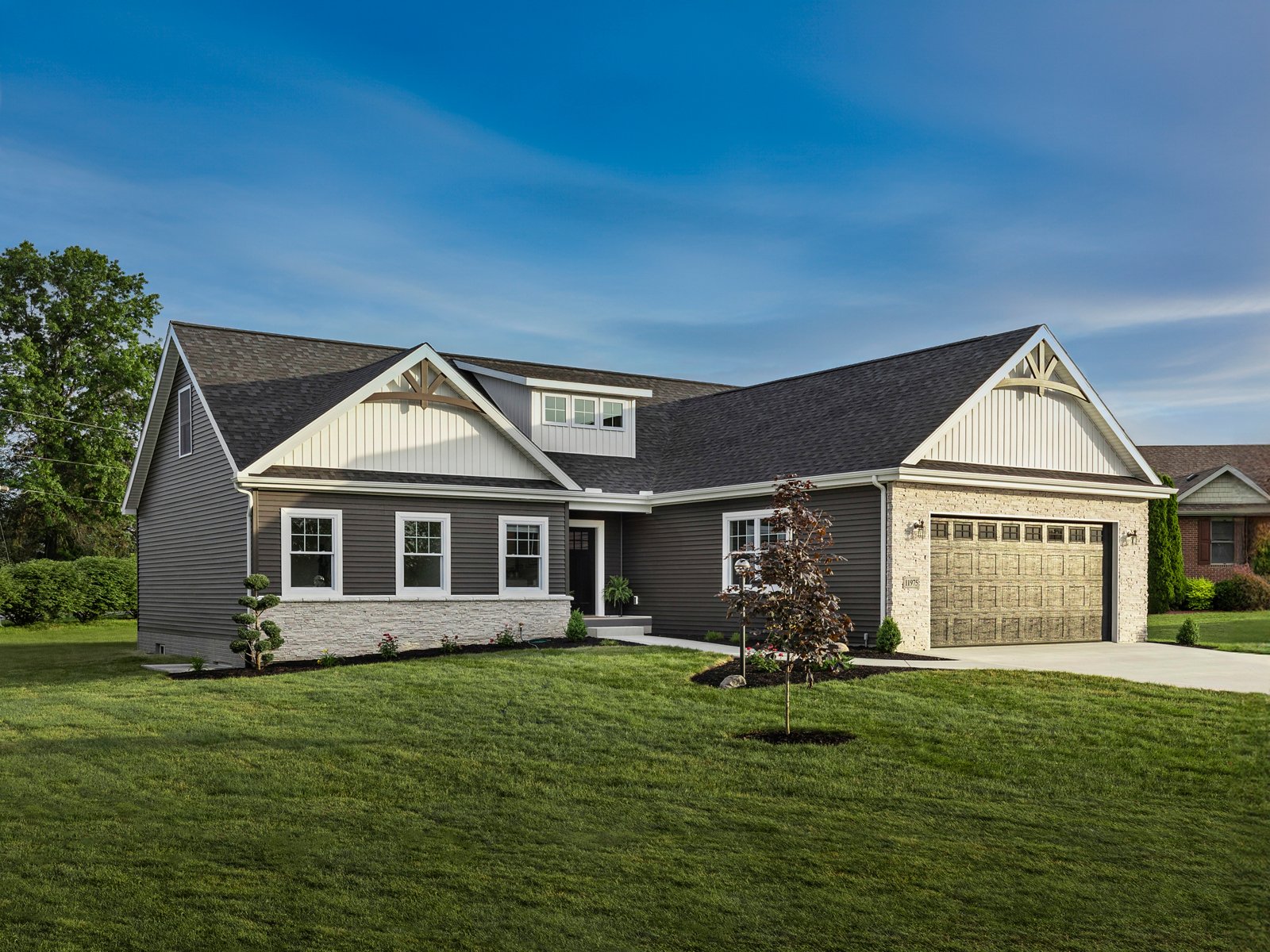
Modular homes are built in sections at a factory, then assembled on-site on a permanent foundation. When they meet local and state residential building standards and are properly classified, most lenders and appraisers treat them similarly to traditional site-built homes. That classification is what opens the door to conventional financing options that most other alternative housing types simply don't have access to.
That said, it doesn't happen automatically. The land, the foundation, and how the overall project is structured all play a role in what's actually available to you.
Modular vs. Manufactured Homes: Why This Distinction Matters
This is one of the most common points of confusion — and it's worth clearing up early.
Modular homes are built to the same local and state residential building standards as site-built homes and placed on permanent foundations.
Manufactured homes (sometimes still called mobile homes) are built to a separate federal standard and are often treated very differently by lenders, appraisers, and local jurisdictions.
That difference affects how the home is financed, how it's appraised, how it's titled, and how it may — or may not — appreciate over time. If you go into a lender conversation without understanding this distinction, you can quickly end up talking past each other. Knowing it upfront saves a lot of confusion.
What Financing Options Are Available
When the right conditions are in place, modular homes can qualify for:
-
Conventional mortgages
-
FHA or VA loans (subject to eligibility requirements)
-
Construction-to-permanent loans
For any of those to work, a few things generally need to be true:
-
The home is placed on a permanent foundation
-
It meets local and state building requirements
-
The property is classified as real estate, not personal property
-
The land and home are titled together
When all of that lines up, the financing process can look and feel very similar to a traditional home purchase or build.
The Role of Construction Financing
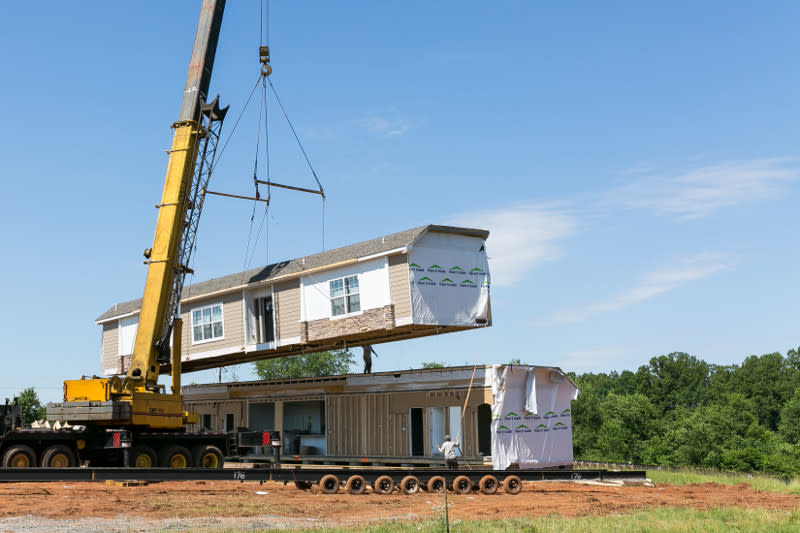
Even though a modular home is largely built off-site, there's still an on-site construction phase — foundation work, delivery, crane set, and finishing. That means most modular projects involve some form of construction financing.
The most common solution is a one-close construction loan. Rather than managing multiple loans across different phases, a one-close loan lets you finance the land, fund the construction, and roll into a permanent mortgage at completion — all in one structure, with one closing. For most buyers, that simplicity alone is worth understanding before exploring other options.
The Factors That Shape Your Financing Options
Modular home financing isn't one-size-fits-all. Here's what lenders actually look at:
Land Ownership
Whether you already own your land, are buying it as part of the project, or need to combine both into one loan affects how everything gets structured. Owning land outright simplifies things; rolling it into the construction loan is still very workable when it's set up correctly.
Foundation Type
A permanent foundation isn't just a recommendation — it's a requirement for most traditional financing. Without it, the home likely won't be classified as real estate, which changes what's available to you significantly.
Builder and Manufacturer
Lenders pay attention to who's doing the work. Builder experience, manufacturer standards, and project documentation all factor in. Working with teams who have done this before — and who understand lender requirements — makes the process measurably smoother.
Location and Zoning
Zoning determines what can be built, where it can go, and how it needs to be configured. Even when financing is available, zoning issues can stop a project in its tracks. Verifying this early is one of the most important things you can do.
Appraisal
This one surprises people more than almost anything else. The property needs to be supported by comparable sales in the area. In markets where modular homes are less common, finding those comparables can be a real challenge — and if the appraisal comes in short, the loan structure may need to be reworked.
Insurance
Lenders require adequate coverage, and depending on your location, construction type, and property characteristics, this can be more or less straightforward to secure. Getting ahead of it early prevents delays later when you can least afford them.
Where Modular Projects Run Into Trouble
Most modular home projects that hit problems don't fail because of the construction method. They run into trouble because of how the project was planned. The most common issues:
-
Picking a design before confirming what financing actually supports
-
Underestimating the total project cost — especially site work
-
Skipping zoning verification until it becomes a problem
-
Working with builders or manufacturers who aren't familiar with lender requirements
-
Assuming that all modular homes are treated the same by every lender
These aren't unsolvable problems. But they're much easier to avoid at the start than to fix in the middle.
Start With Financing — Not the Floor Plan
One of the most useful shifts you can make early on is this: stop treating financing as the last step.
When you understand what's available to you first, you can build a project around it. When people fall in love with a floor plan first and then try to make the financing fit, that's usually where things get complicated.
A better sequence:
-
Define your goal — primary home, rental, long-term investment
-
Understand your land situation
-
Explore financing options before anything else is committed
-
Then choose a structure that fits all three
When those pieces are aligned from the beginning, the process becomes far more predictable — for everyone involved.
Book a Free Consultation
If you're thinking about building a modular home and want to understand what financing might look like for your specific situation, book a free consultation with RJ Jaramillo. We'll walk through your land, your goals, and your project structure together — so you can move forward with a clear picture instead of a guess.
Financing options, zoning rules, and construction requirements vary by state, county, and municipality. Always review your specific plans with a qualified professional before taking action.
Frequently Asked Questions
Can modular homes be financed like traditional homes?
In many cases, yes — when the home is on a permanent foundation, meets local building requirements, and is properly classified as real estate. When those conditions are met, the process is closer to a traditional mortgage than most people expect.
Do modular projects always require a construction loan?
Usually, yes. Even though most of the home is built in a factory, there's still an on-site construction process. A one-close construction loan is typically the most efficient way to handle it.
Are modular homes harder to appraise?
They can be in areas with limited comparable sales. In more established markets, appraisers generally treat them similarly to site-built homes.
Is financing easier for modular homes than for tiny homes?
Generally, yes — especially when the modular home is classified as real property on a permanent foundation. That classification opens financing doors that most other alternative housing types don't have.
Ready to build? Let's get the sequence right.
Unlock your property's potential with our flexible loan options. Apply now and turn your vision into a reality!