Set Up a Free Consultation

Modular Homes
What is a Modular Home?
Modular Homes: The Strategic Guide to IRC-Compliant Real Estate & Construction Financing
Clarity Before Commitment
Modular homes remain one of the most misunderstood segments of modern housing — and that misunderstanding has real financial consequences for buyers who don't get clear answers before they commit.
For decades, "factory-built" was casually grouped with "mobile homes" in the public eye. That confusion still causes hesitation today, and in some cases, it causes buyers to pursue the wrong loan type entirely. The distinction is not just semantic. It determines your financing options, your appraisal method, and your long-term equity potential.
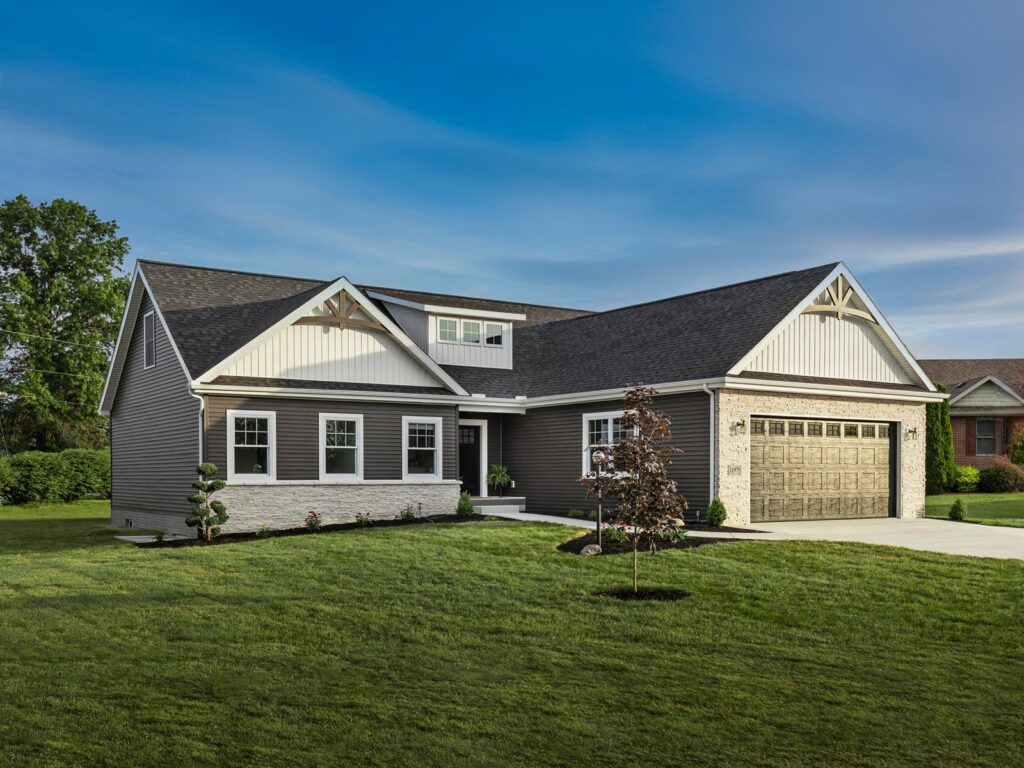
A true IRC-compliant modular home is not a vehicle. It is permanent real estate. When structured correctly, a modular home is built to International Residential Code (IRC) standards, permanently affixed to a foundation, eligible for long-term residential mortgage financing, and appraised alongside traditional site-built homes.
At USTinyLoans.com, RJ Jaramillo provides that clarity before you commit to land, a manufacturer, or a construction contract.
Contact RJ
Modular vs. Manufactured: The Foundational Distinction
Understanding the difference between modular and manufactured housing is the single most important starting point for any buyer exploring factory-built construction. It shapes everything that follows — your loan type, your appraisal approach, and how your home builds value over time.
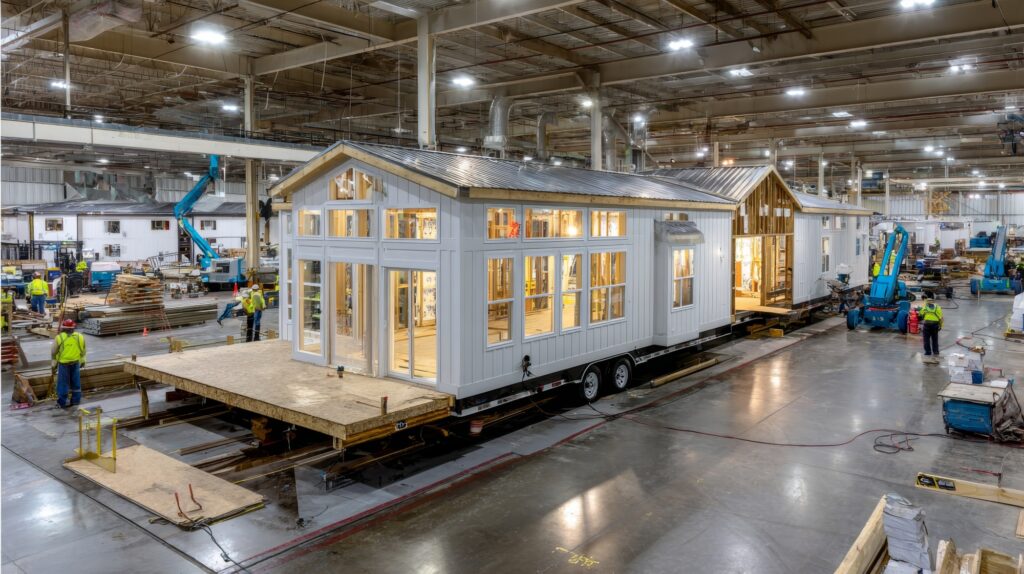
Modular homes (IRC-compliant) are built in sections inside a controlled factory environment, engineered to meet the same International Residential Code standards applied to traditional site-built homes. They are installed on permanent foundations, classified as real property from day one, and eligible for construction-to-permanent mortgage financing.
Manufactured homes (HUD-code) are built to a separate federal standard established by the Department of Housing and Urban Development. They often remain on a chassis, may be titled as personal property, and are financed, appraised, and valued differently as a result.
When RJ refers to modular homes, he is referring exclusively to IRC-compliant real estate structures. That distinction is not a detail — it is the foundation of every conversation that follows.
Would you like to schedule an appointment, or would you like to fill out our form to learn more about modular homes?
RJ's Consulting Framework: Strategy Before Structure
RJ Jaramillo has been originating residential mortgage loans since 1989. He consults with clients nationwide through Fairway Independent Mortgage Corporation, licensed in 48 states, and his specialization sits at the intersection of alternative housing structures, construction sequencing, real estate classification, and construction-to-permanent financing.
The first step in working with RJ is never a loan application. It is a structured conversation.
Most modular project delays trace back to one root cause: land position, manufacturer selection, and financing structure were not aligned before contracts were signed. RJ's consulting process ensures those three variables are evaluated together, early, so the project is built on a solid strategic foundation before a single dollar is committed.
The Real Cost Structure of Modular Construction
One of the most common misconceptions buyers bring to a modular project is focusing exclusively on the factory price per square foot. The modular unit itself is only part of the total investment — and in some cases, not even the largest part.
Site development is where many borrowers are caught off guard. A complete modular project typically involves permanent foundation work (crawlspace, slab, or basement), utility trenching and hookups, septic or sewer connections, grading and land preparation, crane access for module placement, and local inspections leading to a Certificate of Occupancy. Even though the home is built in a factory, it must fully comply with local jurisdictional requirements once it arrives on site.
A modular project is still a construction project. RJ's consulting ensures borrowers understand total project cost — not just the factory invoice — so there are no surprises mid-build.
Financing Strategy: The One-Time Close Construction Structure
Because modular homes are classified as real estate, they qualify for construction-to-permanent financing. In most cases, RJ structures modular projects using a One-Time Close Construction Loan, which consolidates land purchase or existing land equity, the modular unit cost, site preparation, licensed contractor build-out, permits and soft costs, and conversion to a permanent mortgage — all within a single closing.
This structure eliminates the risk of funding gaps, avoids duplicate closing costs, and removes the need to requalify at the end of the construction phase. For qualified borrowers, conventional construction options may allow down payments as low as 5%. VA construction loan options may also be available for eligible veterans. All programs are subject to specific qualification standards and underwriting guidelines.
Proper project structure from the outset is what makes this financing path work smoothly.
Manufacturer Evaluation
Not all modular manufacturers meet the same standards — and lender acceptance is not automatic. Each manufacturer is evaluated on a case-by-case basis to confirm IRC compliance, structural integrity, completeness of construction documentation, lender acceptance, and appraisal feasibility.
RJ is not aligned with or tied to a single factory or brand. The priority is always structural compliance and financing viability, not manufacturer relationships. That independence is an important part of what makes the consulting process genuinely useful.
Modular Homes in Context
Understanding where modular fits relative to other alternative housing categories helps buyers make better decisions about which path is right for their land, their lifestyle, and their long-term goals.
Compared to tiny homes on wheels, the difference is foundational. A tiny home on wheels is typically classified as personal property, which means different financing options, a different appraisal method, and different long-term equity treatment. If you are exploring portable housing, RJ's Tiny Homes on Wheels advisory page covers that path in detail.
Compared to barndominiums, modular homes typically integrate more seamlessly into suburban and infill neighborhoods while still offering the construction efficiency of a factory-built process. Barndominiums use steel-framed construction and tend to appeal most strongly to rural and acreage buyers. If you are evaluating a steel-frame build, the Barndominium Strategy Guide is the right starting point.
Compared to traditional site-built homes, modular construction offers meaningful advantages in timeline and predictability. Building indoors eliminates weather-related delays and compresses the overall schedule, while the finished product maintains the same structural and appraisal characteristics as a conventional home.
Common Modular Financing Mistakes
The mistakes RJ sees most often are entirely preventable with the right guidance in place before the project begins. Confusing modular with manufactured housing leads directly to the wrong loan type and misaligned appraisal expectations. Using multiple loans — a land loan, then a purchase loan, then an installation loan — creates duplicate closing costs and coordination risk. Purchasing land before confirming feasibility can lock a buyer into a site that doesn't support a modular build. Hiring contractors without verifying lender qualification is a quiet but serious project risk. And underestimating site development costs remains one of the most consistent sources of mid-project stress.
Each of these errors creates delays that proper sequencing prevents. That is the purpose of the consultation.
Nationwide Expertise
RJ consults with clients nationwide and originates loans through Fairway Independent Mortgage Corporation, licensed in 48 states. While local building codes vary by jurisdiction, the structural framework for IRC-compliant modular financing remains consistent across markets.
Modular construction is particularly well-suited for markets where buildable land is available, alternative housing is expanding, traditional build timelines are stretched, and buyers are seeking greater cost predictability. It represents a strategic middle ground between fully custom site-built construction and non-real-estate housing categories — offering the permanence and equity potential of traditional homeownership with the efficiency of controlled factory production.

Start With Structure, Not Speculation
Before committing to a manufacturer or purchasing land, the right first step is a consultation to review your land position, budget range, financing eligibility, timeline expectations, and structural category alignment.
When those elements are evaluated and aligned early, modular construction becomes a predictable, manageable process rather than a stressful one. That clarity is what RJ brings to every project — and it is what makes the difference between a smooth build and a costly delay.
Schedule Your Personalized Consultation with RJ
Please enter your information here, and RJ will reach out to you to set up your personalized Zoom consultation.
Flexible Financing for Your Tiny Home, Modular Home, or ADU
Unlock your property's potential with our flexible loan options. Apply now and turn your vision into a reality!